

ASTM F2516 Tension Testing of Nitinol Materials
ASTM F2516 specifies the standard test method for evaluating the tensile properties of superelastic nickel-titanium (Nitinol) materials. Unlike conventional materials, Nitinol exhibits unique behavior - its structure changes in response to temperature changes and when applying mechanical stress.
This results in distinct stress-strain profiles during loading and unloading. To capture this behavior properly, ASTM F2516 measures both upper and lower plateau strength, rather than a single yield strength.
The test involves stretching the material in tension to 6% strain, unloading it to a value less than 7MPa, and then pulling it to failure - providing a comprehensive view of its mechanical performance.
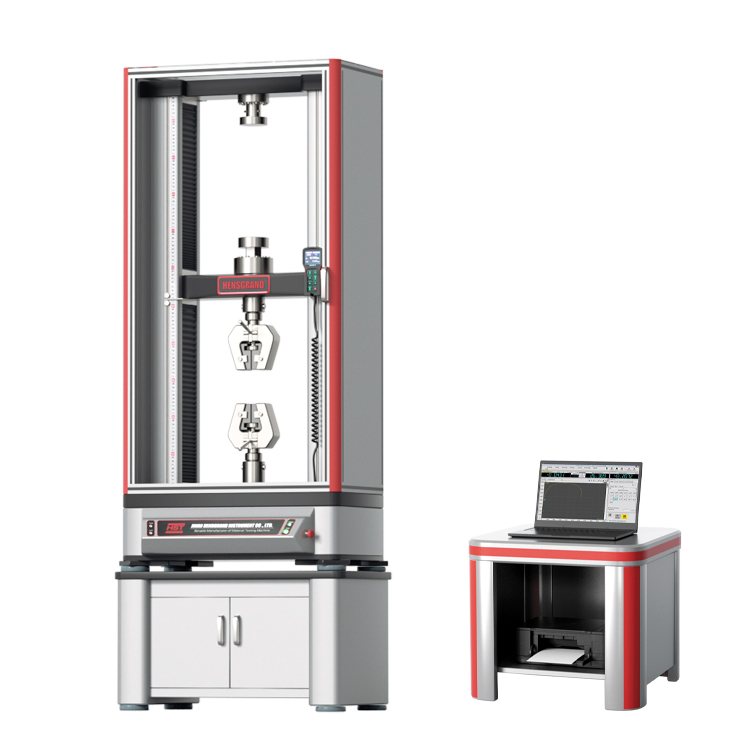
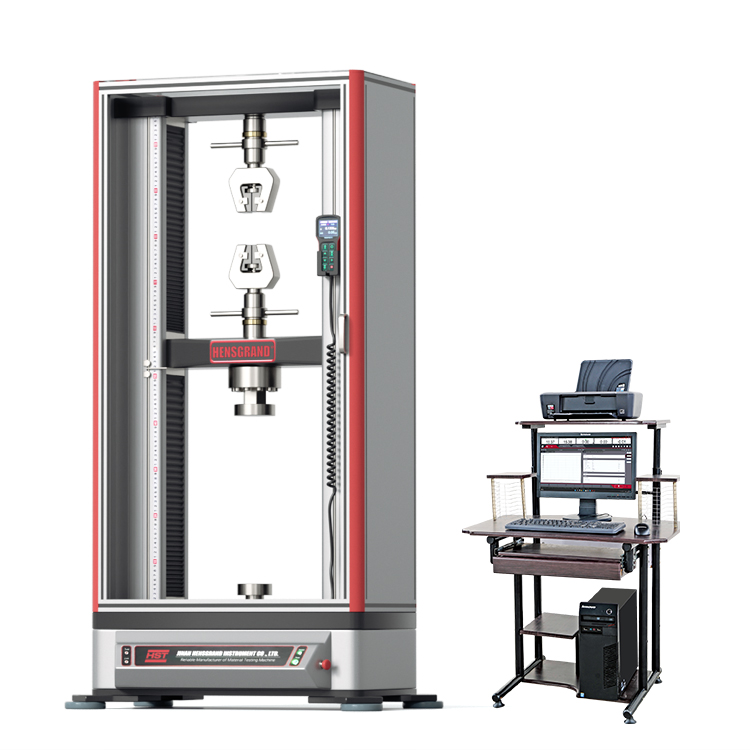
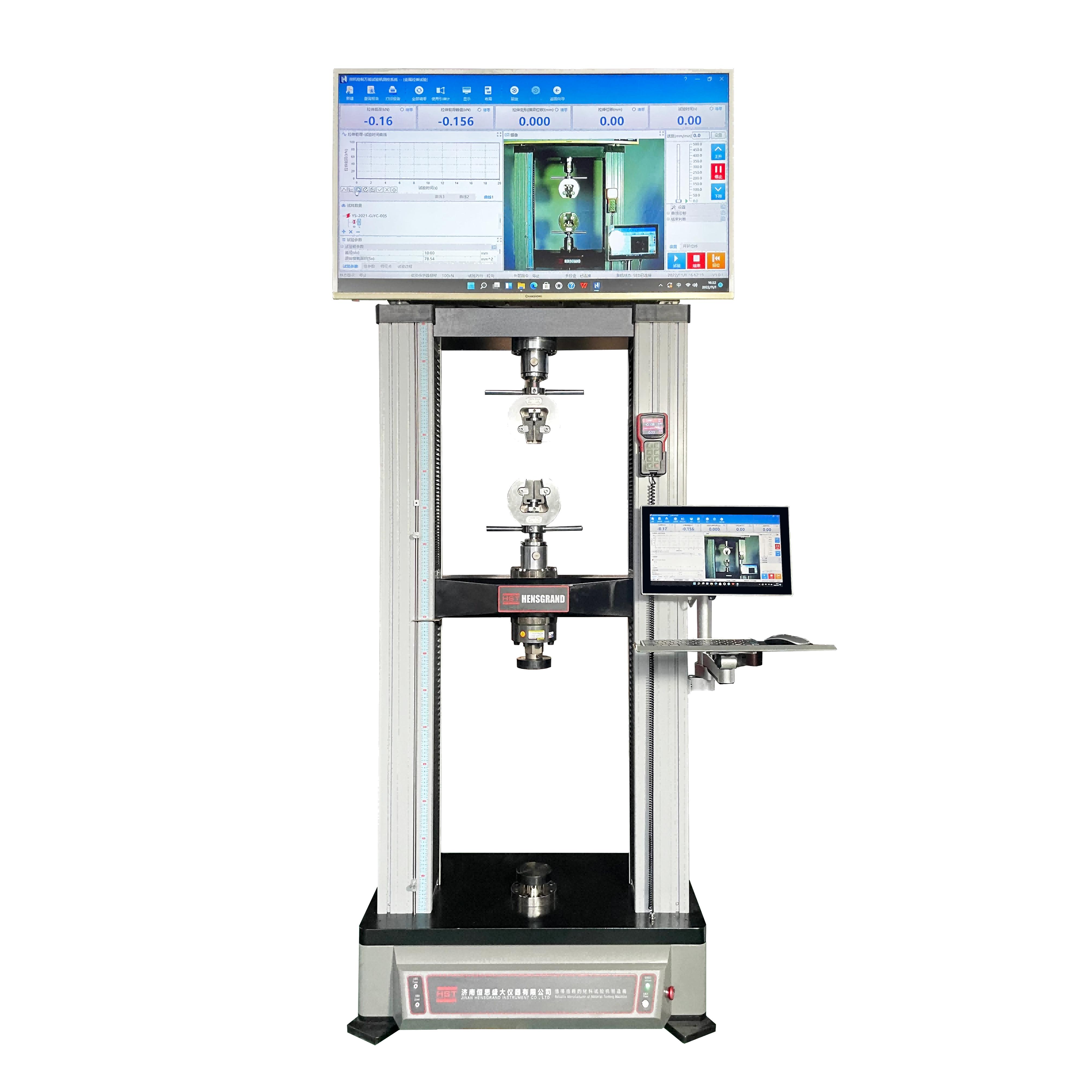
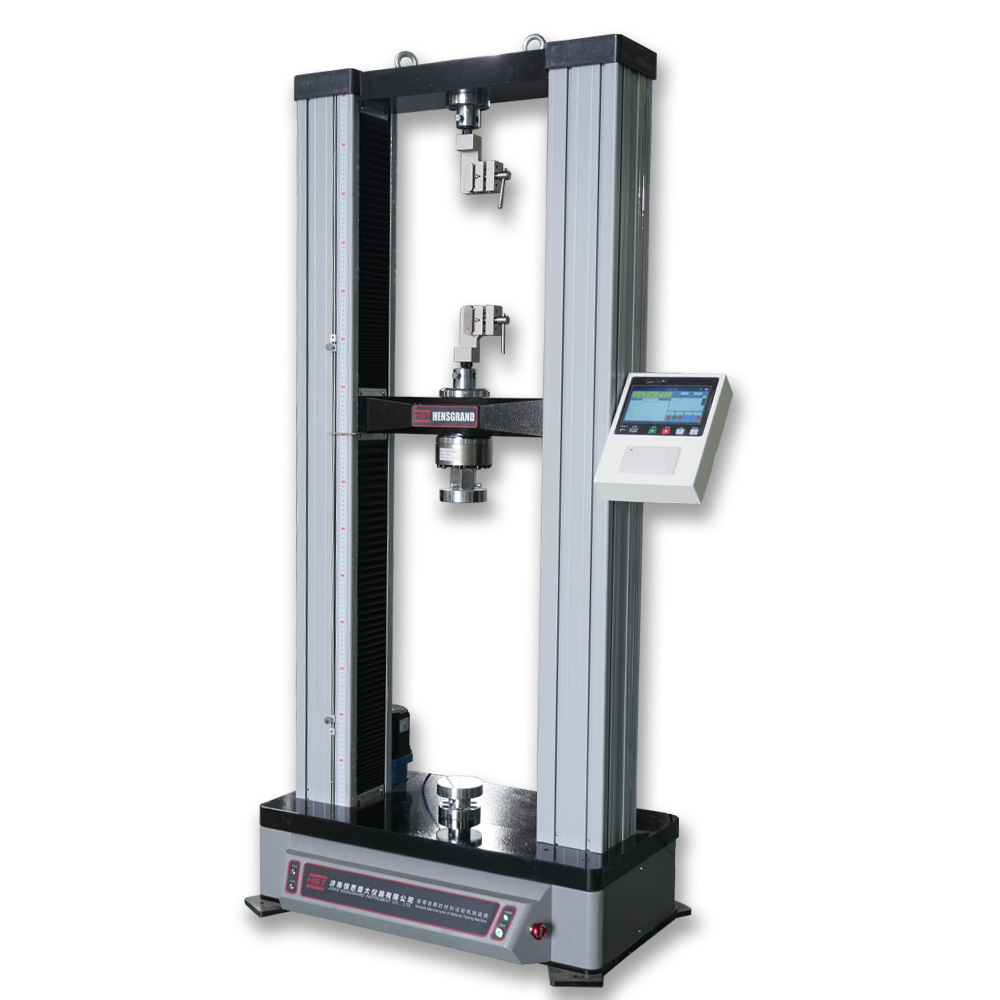
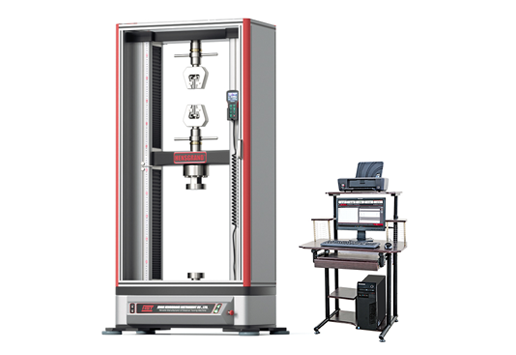
ASTM F2516 is typically conducted using dual-column test frames, such as the HST WDW-E Series universal testing systems, which offer the precision and control required for superelastic materials. A 5 kN load cell is generally suitable for most Nitinol specimens.
GRIPS AND FIXTURES
Grip selection for ASTM F2516 testing depends on the specimen diameter. Pneumatic cord and yarn grips are ideal for smaller diameters, offering secure and gentle clamping. For larger specimens, pneumatic side action grips with serrated faces provide a consistent clamping force throughout the test to prevent slippage.
Relate Products