

ASTM D1004 Tear Resistance (Graves Tear) of Plastic Film or Sheeting
ASTM D1004 Tear Resistance (Graves Tear) of Plastic Film or Sheeting
ASTM D1004 measures the tear resistance of flexible plastic film and sheeting. Raw materials manufacturers are constantly challenged to identify the ideal formula that minimizes material cost and waste while retaining the necessary strength. Tear resistance is only one of the properties that comprise a plastic film's overall strength, but it can prove to be crucial if the material is subjected to tear events over its life. The packaging industry is an example of a business that relies heavily on the integrity of its plastic film suppliers.ASTM D1004 Test Specifications
ASTM D1004-13 reports the maximum tear resistance in units of force (lbf or N) and the maximum extension in units of length (in or mm). The specimen must be die-cut to specifications found in the standard. Specimens are formed with a 90° notch to create a stress concentration in a specific area which will initiate a tear. The specimen is then subjected to a tensile test at 2 in/min (51 mm/min) until complete failure. The specimen geometry and test speed are not intended to simulate real world tear conditions; instead, ASTM D1004 is intended to create a controlled tear of to analyze force versus displacement data for quality control or material comparison purposes. ASTM D1004 is not applicable for plastic material where brittle failure occurs or where elongation greater than 200% occurs. Material between those two extremes has been shown to reliably use ASTM D1004 to compare tear resistance between materials.
Materials Testing System
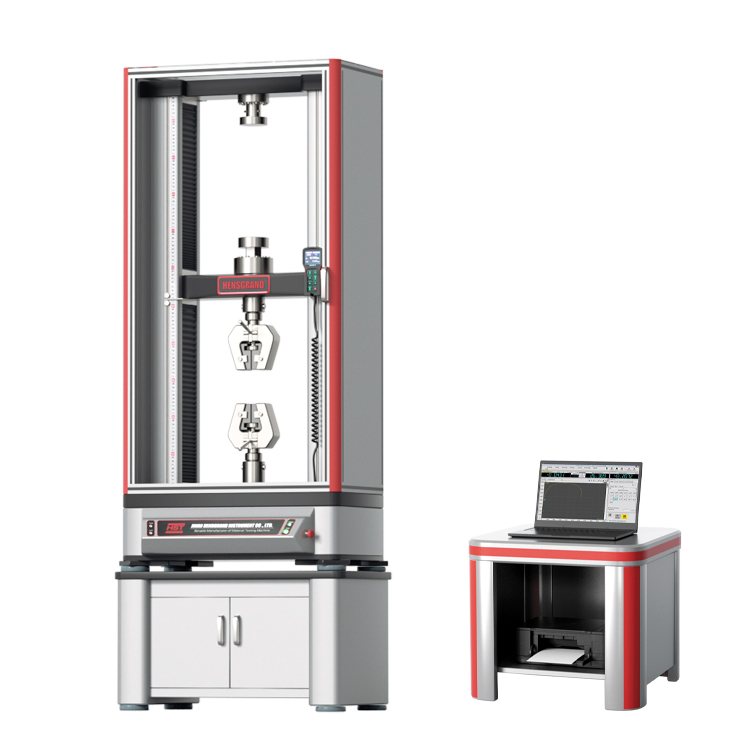
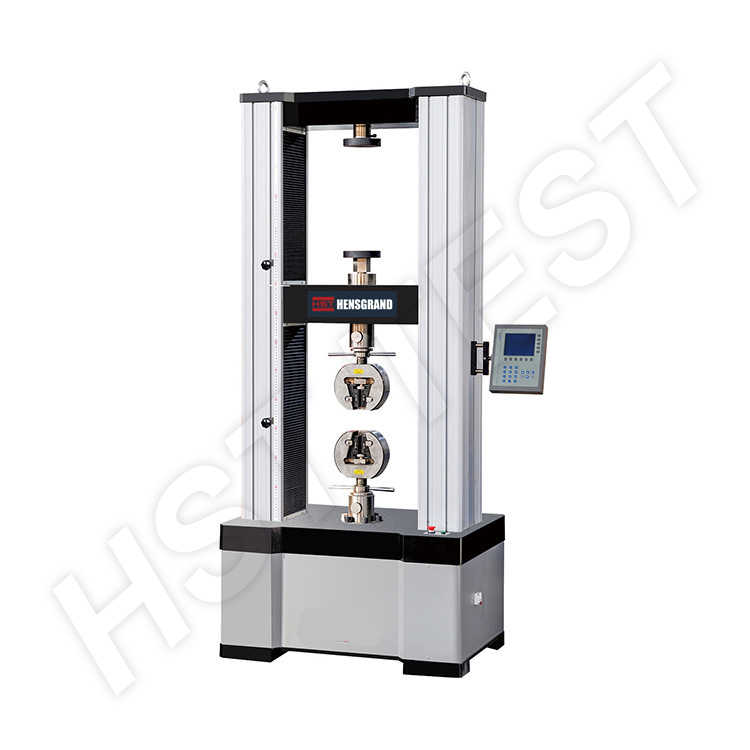
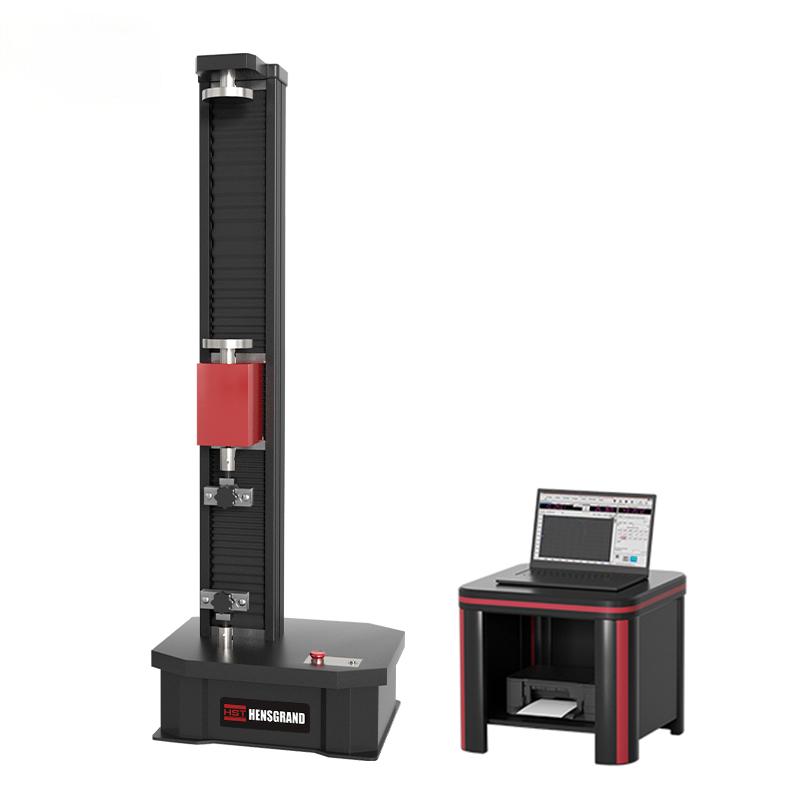
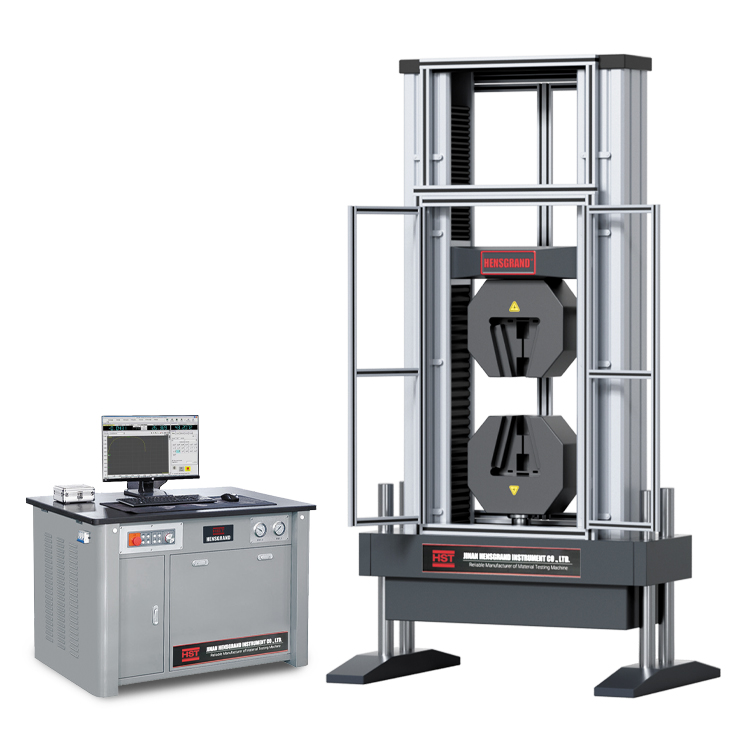
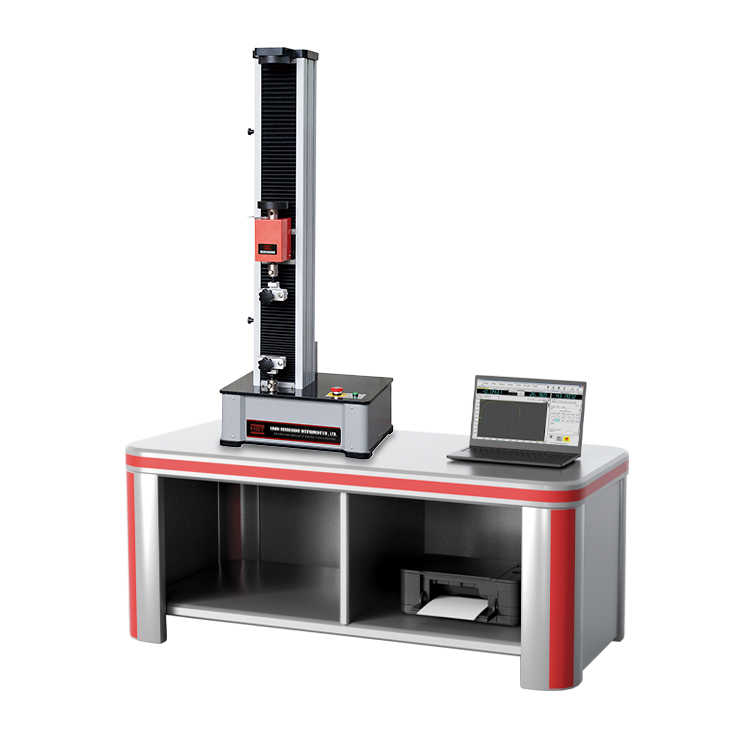
Due to the low forces involved in ASTM D1004 testing, we recommend a single column test frame such as WDW-E. Labs performing multiple test types on a single testing machine may prefer a dual column system with an increased force capacity.
Relate Products