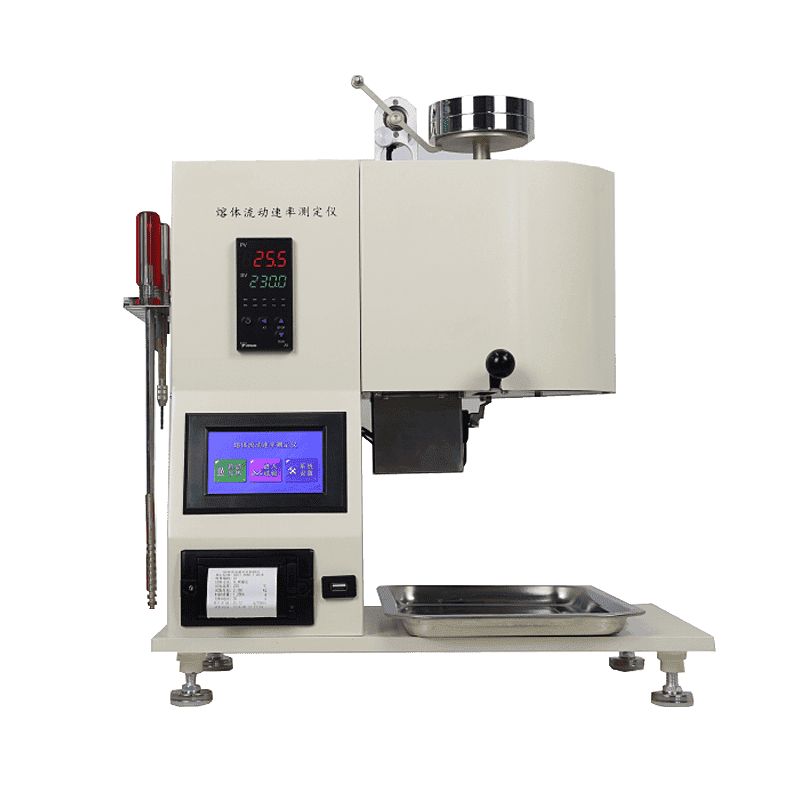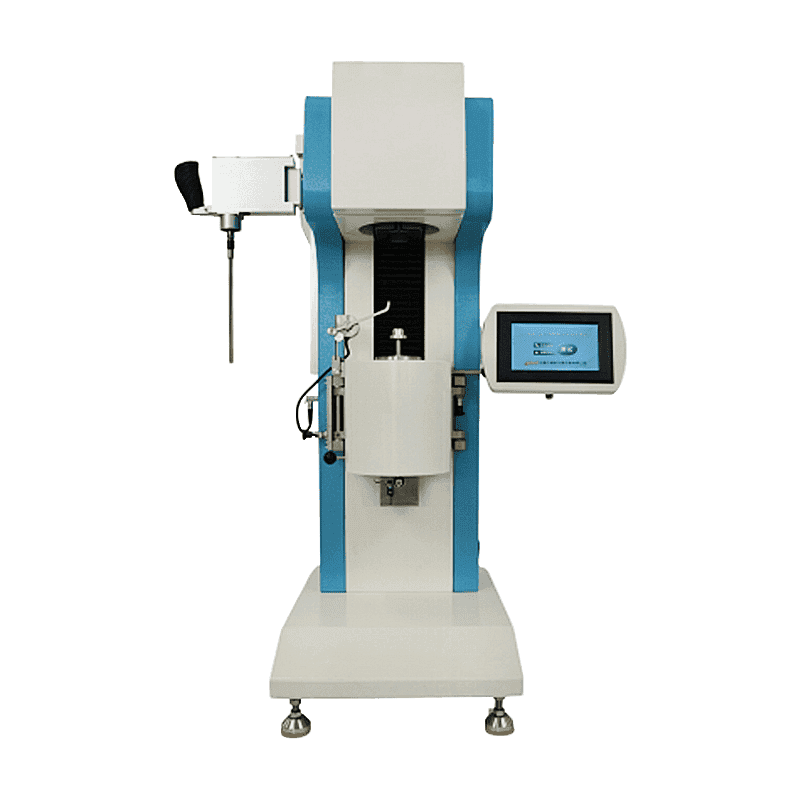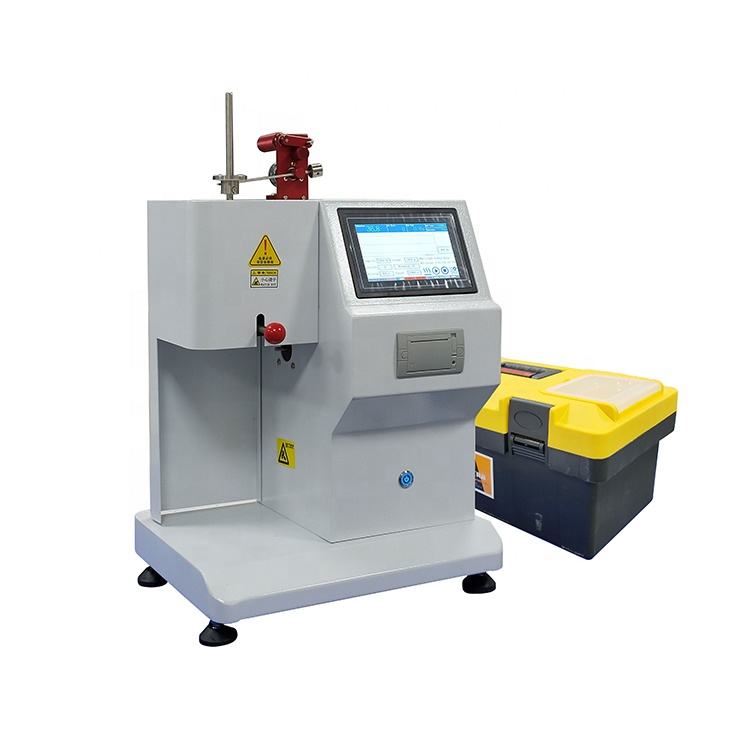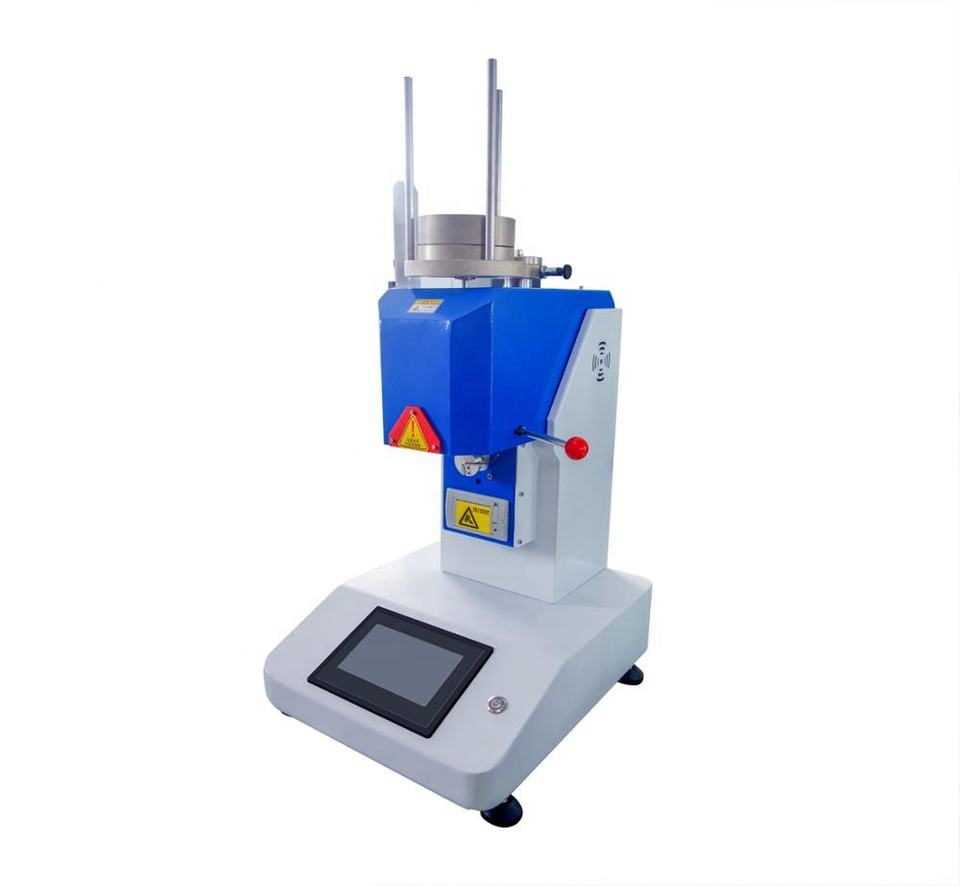


ASTM D1238: How to Use a Melt Flow Index Tester to Determine the Melt Flow Rate of Polymers
The ASTM D1238 test method is used to determine the Melt Flow Index (MFI) of thermoplastic polymers. The ASTM D1238 MFI is a basic measurement for quality control and acceptance of incoming products. It is part of the ‘id’ of a polymer and used to verify if its grade is within the required fluidity range. The ASTM D1238 method is commonly used for polyolefins (polyethylene HDPE, LDPE, LLDPE, polypropylene PP).
ASTM D1238 Test Method
ASTM D1238 covers the measurement of the rate of extrusion of molten resins through a standard die (2.095 x 8 mm). The test is performed under prescribed conditions of temperature, load, and piston position in the barrel as the timed measurement is being made. The standard includes four different test procedures:
A, B, C, and D. The main difference between ISO 1133 and ASTM D1238 is that, in the latter, procedure C is related to polyolefins with a high flow rate and prescribes the use of a die with half dimensions (length and diameter), which reduces the flow rate. High fluidity samples can also be tested by using a die plug, inserted before the material charge and removed prior to removing the piston/weight support.
ASTM D1238 Procedure D is related to the application of different weights to the same sample charge in order to obtain the melt mass-flow rate (MFR) data under different test conditions.
This allows the automatic calculation of the Flow Rate Ratio (FRR), which is the ratio of the average flow rate at the higher load to the average flow rate at the lower load. FRR is commonly used as an indication of the way in which rheological behavior is influenced by the molecular mass distribution of the material.
Relate Products