

ASTM D1876 Peel Resistance for Adhesives, T-Peel Test
ASTM D1876 Peel Resistance for Adhesives, T-Peel Test
ASTM D1876 measures the comparative peel properties of adhesive bonds between flexible adherends by using a T-peel test. The test is referred to as a “T-peel” due to the shape the two flexible adherends form as they are pulled apart. Average peel strength for each specimen type and average, minimum, and maximum peeling loads for each individual specimen are the primary results of interest. Manufacturers use this standard for quality control in a wide range of industries as it is primarily intended for determining relative peel resistance between individual specimens or different types of adhesives. Direct comparison of different adhesives can only be made when specimen construction and test conditions are identical.
ASTM D1876 Test Setup
ASTM D1876 measures the comparative peel properties of adhesive bonds between flexible adherends by using a T-peel test. The test is referred to as a “T-peel” due to the shape the two flexible adherends form as they are pulled apart. Average peel strength for each specimen type and average, minimum, and maximum peeling loads for each individual specimen are the primary results of interest. Manufacturers use this standard for quality control in a wide range of industries as it is primarily intended for determining relative peel resistance between individual specimens or different types of adhesives. Direct comparison of different adhesives can only be made when specimen construction and test conditions are identical.
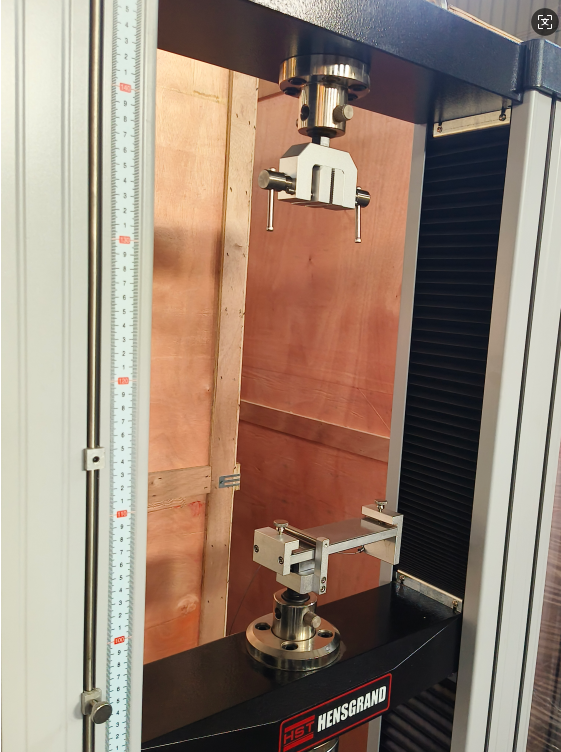
ASTM D1876 Test Setup
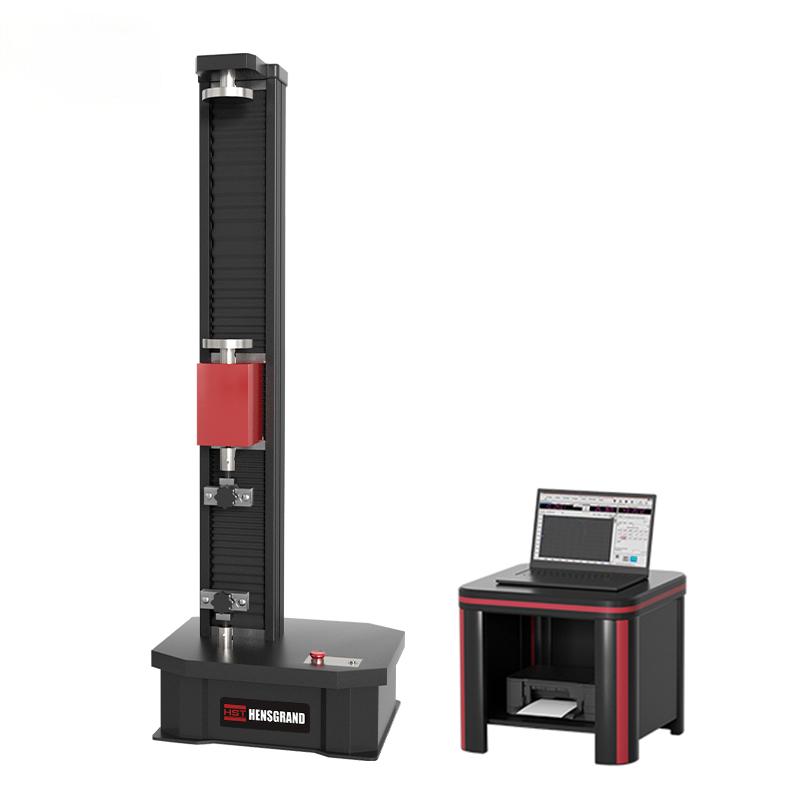
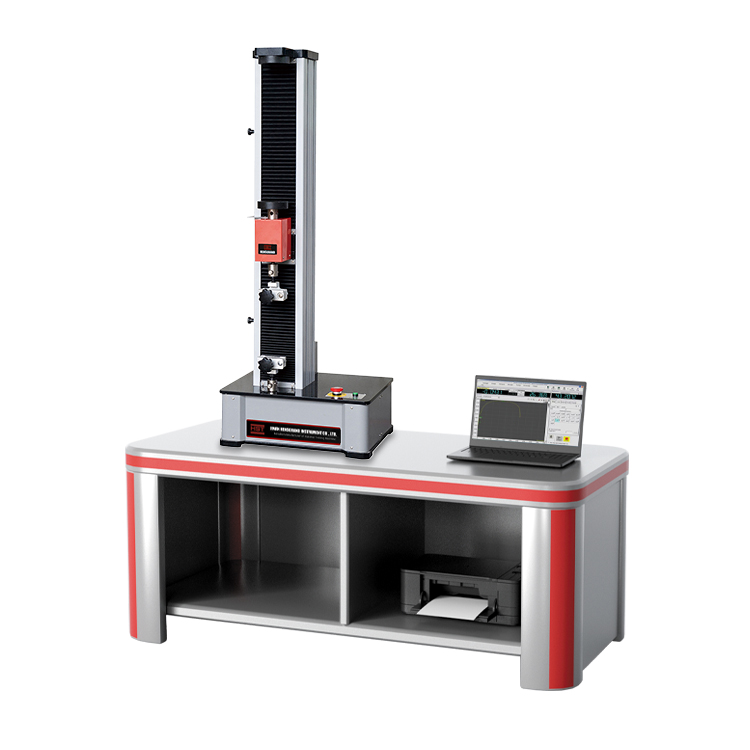
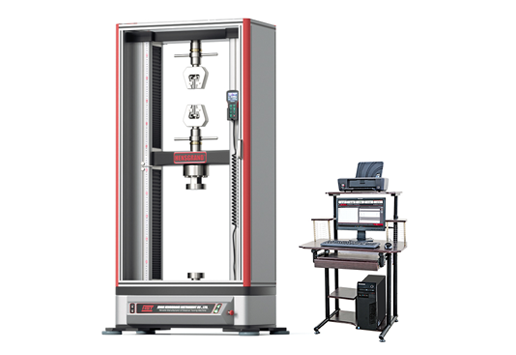
For peel tests, it is critical to use a high data acquisition rate to register all peaks and troughs in the data. Insufficient bandwidth may overlook important test events and lead to artificially low peel strength values. For this reason, we recommend our WDW series test frame, which enables a data capture rate of up to 5 kHz. The ASTM D1876 standard states that the maximum specimen load should fall between 15% and 85% of the maximum frame capacity, in most cases making a single column frame with capacity of 5 kN or less ideal. If the adhesive requires a higher capacity system, HST’s dual column table model frames are available up to 50 kN.
Relate Products