

- HOME >> SOLUTIONS >> By Standard >> ISO Test Standards
ISO 34 Tear Strength of Rubber, Vulcanized or Thermoplastic
ISO 34 Tear Strength of Rubber, Vulcanized or Thermoplastic
ISO 34-1:2010 is used to investigate the tear strength of either vulcanized or thermoplastic rubber. Tear testing of elastomers is particularly important because most elastomers that break or fail in their intended application do so because of the initiation and spread of a tear. Industries utilizing this testing include raw material manufacturers, developers of elastomer technology, and producers of consumer products, in addition to manufacturers that use rubber in a way where it risks failure by tearing, such as the automotive industry.
This standard specifies three different methods for specimen shape: trouser, angle, and crescent. In all cases, force is applied to the material in a tensile direction and a value for tear strength is calculated. ISO 34-1 is intended to measure tearing strength only: anyone seeking to determine the tensile properties of elastomers should refer to ISO 37. The specimen types used in ISO 34 testing provide a range of options for geometries and stress concentrations that might lead to the initiation of a tear in a real-world application. The results from this test aren’t meant to quantify the tear strength of a material in service, but simply to understand how it behaves under the specified test conditions.
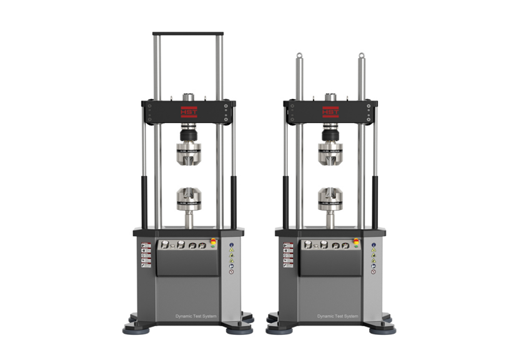
MATERIALS TESTING SYSTEM
ISO 34-1:2010 is used to investigate the tear strength of either vulcanized or thermoplastic rubber. Tear testing of elastomers is particularly important because most elastomers that break or fail in their intended application do so because of the initiation and spread of a tear. Industries utilizing this testing include raw material manufacturers, developers of elastomer technology, and producers of consumer products, in addition to manufacturers that use rubber in a way where it risks failure by tearing, such as the automotive industry.
This standard specifies three different methods for specimen shape: trouser, angle, and crescent. In all cases, force is applied to the material in a tensile direction and a value for tear strength is calculated. ISO 34-1 is intended to measure tearing strength only: anyone seeking to determine the tensile properties of elastomers should refer to ISO 37. The specimen types used in ISO 34 testing provide a range of options for geometries and stress concentrations that might lead to the initiation of a tear in a real-world application. The results from this test aren’t meant to quantify the tear strength of a material in service, but simply to understand how it behaves under the specified test conditions.
MATERIALS TESTING SYSTEM
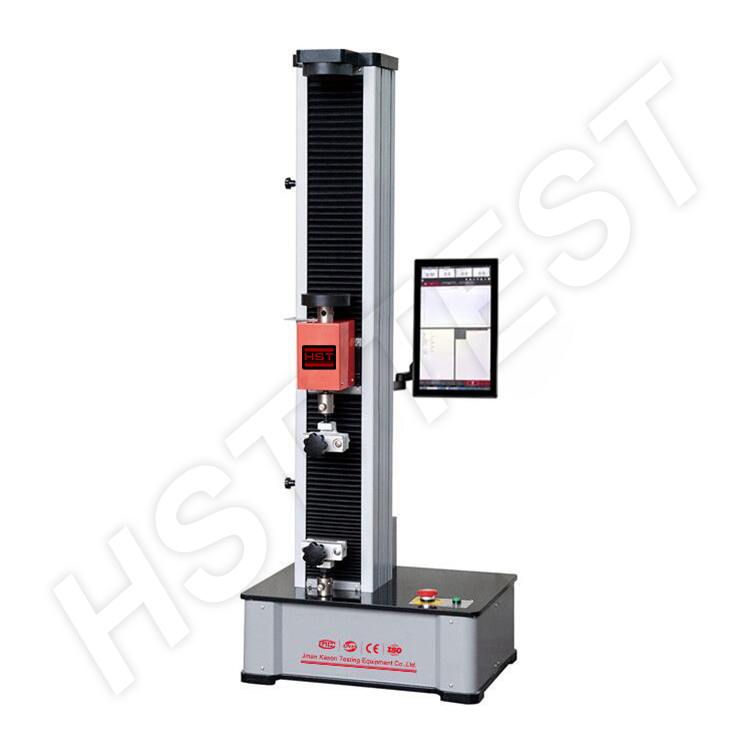
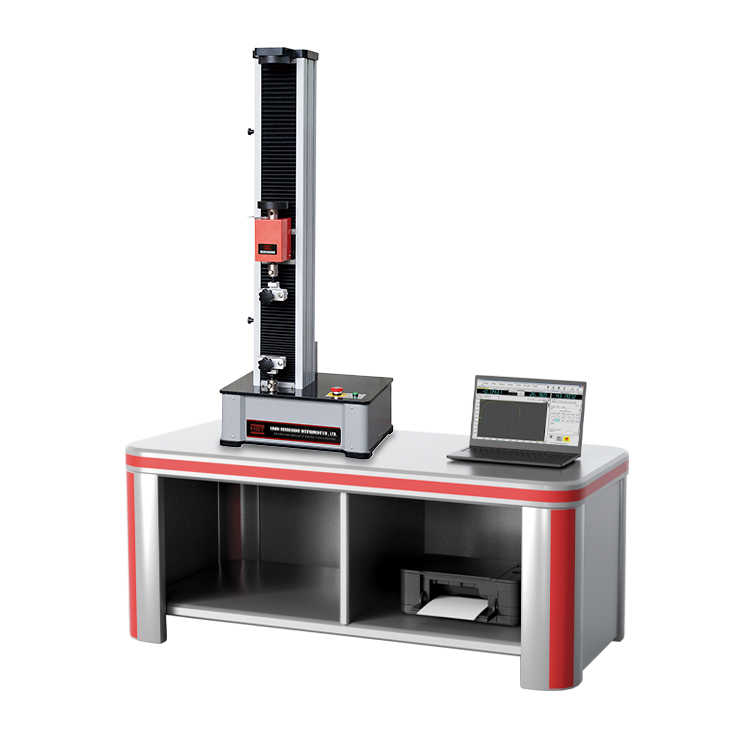
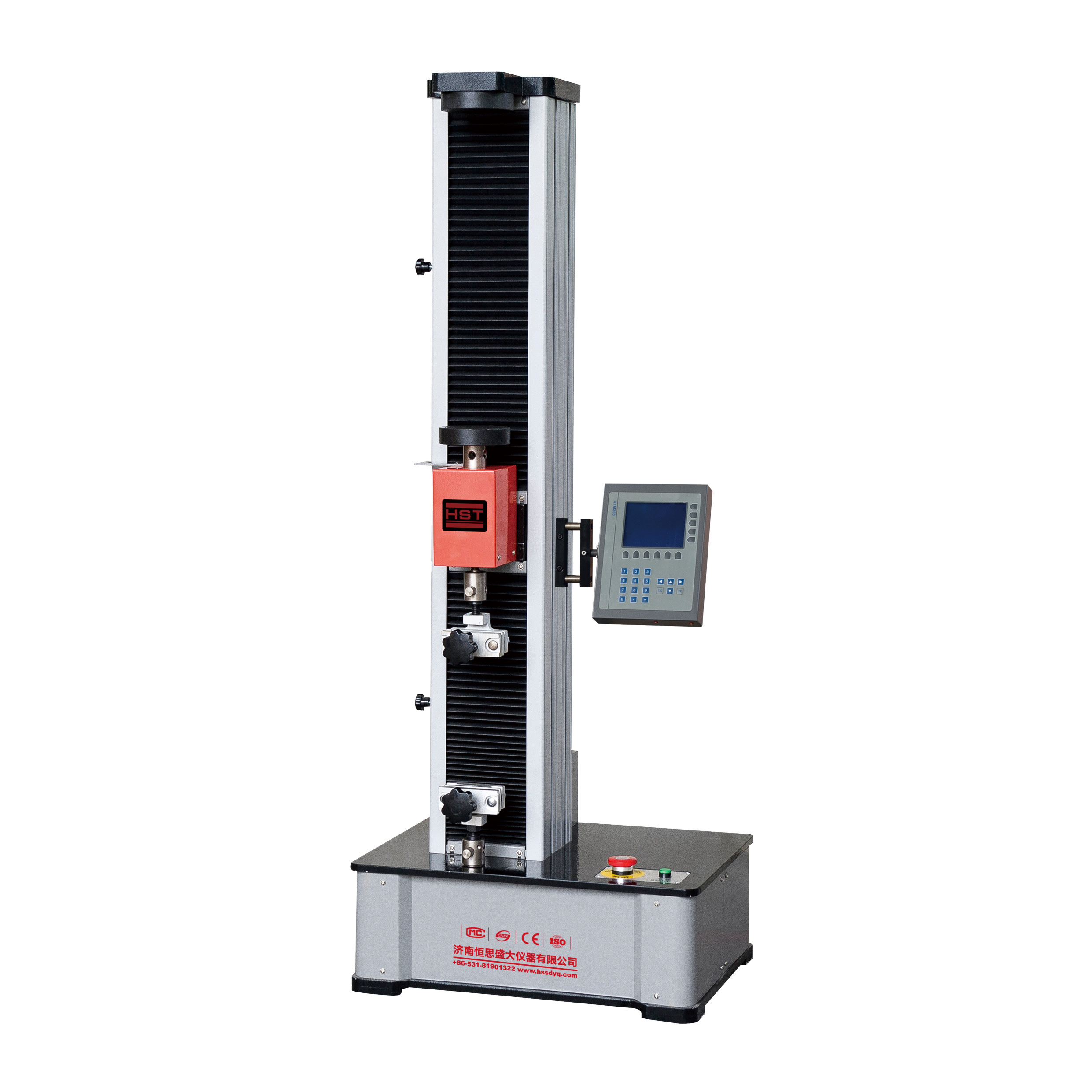
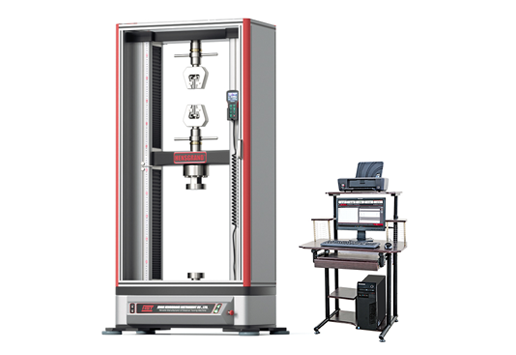
System capacity will depend on the strength of the elastomer. However, most tests to this standard will fall below 5 kN, making this application perfect for a single column frame from WDW Series.

Relate Products