

- HOME >> SOLUTIONS >> By Standard >> Other Standards
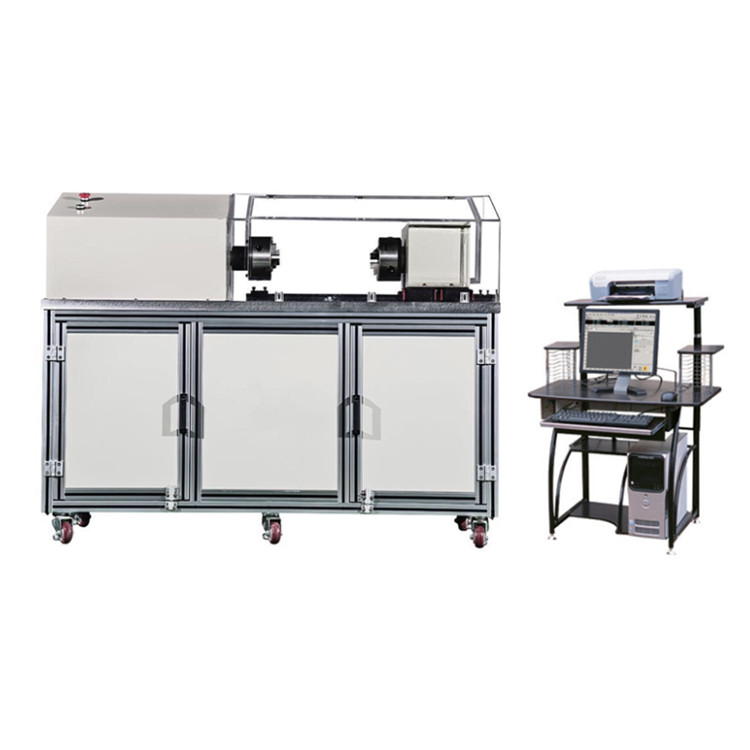
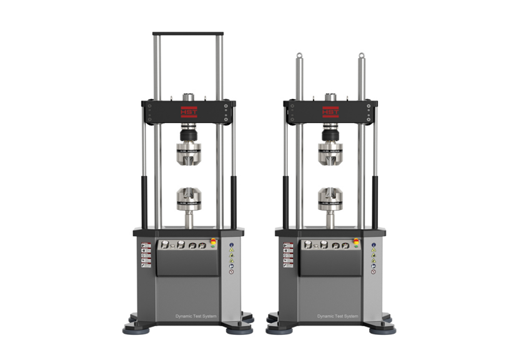
Axial Torsion Fatigue Testing
Materials may behave unpredictably when exposed to multiaxial loads, exhibiting different material properties. Characterizing these material properties across a wide spectrum of materials becomes very important, as there is an abundance of products that are designed to be exposed to biaxial loading during normal operating conditions.
Characterization of materials under biaxial stress loading, static or dynamic
Cumulative damage of turbine blade components under axial-torsion loading
Features
A range of machines with different axial and torsional load capacities
Designed for both dynamic and static testing on a wide variety of materials and components
Full system integration with Instron electronics and software packages
Bi-axial extensometers supplied for an integrated solution
Wide range of axial-torsional grips, fixtures, and high-temperature accessories
Consistent User Experience
Axial-torsion machines are compatible with the same electronics, software and user interfaces as other HST dynamic fatigue systems. Our software packages are designed with the users in mind to keep the user experience as consistent and the transition between different machines as seamless as possible.
Axial-Torsion Testing Machines help characterize biaxial mechanical properties of materials, both in static and dynamic conditions, which helps in choosing the right materials for different applications where components are exposed to axial torsion loading profiles. This requires material research for component design and material verification stages in numerous industries and research to meet safety requirements.
Characterization of materials under biaxial stress loading, static or dynamic
Cumulative damage of turbine blade components under axial-torsion loading
Fatigue life of biomedical materials and implants
Why choose HST?
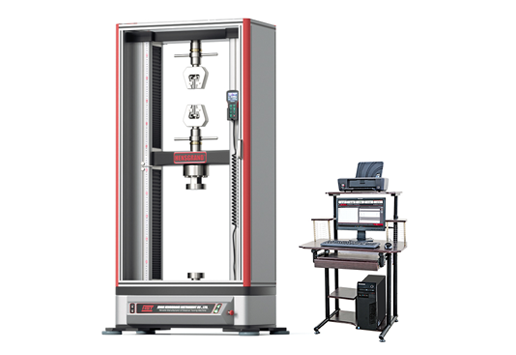
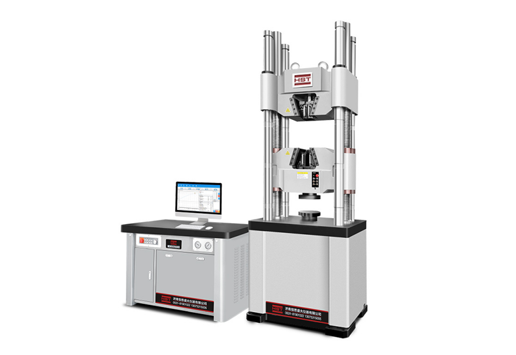
To meet the challenges of axial-torsion testing, HST provides a range of axial-torsion machines that cover small implants made of compliant biomaterials, composites and high-performance metals and alloys. Our servohydraulic range provides mid to high axial and torque capacities, while the biaxial variants complete the range with smaller axial and torque capacities and an oil-free design, allowing labs that require a contamination free environment to conduct axial-torsion testing. HST biaxial systems also open up to testing the longevity of biomedical implants, from hip to orthopedic implants, as our systems can load specimens according to the biaxial stress profiles from actual data and measure the response of different materials and different component designs.Features
A range of machines with different axial and torsional load capacities
Designed for both dynamic and static testing on a wide variety of materials and components
Full system integration with Instron electronics and software packages
Bi-axial extensometers supplied for an integrated solution
Wide range of axial-torsional grips, fixtures, and high-temperature accessories
Consistent User Experience
Axial-torsion machines are compatible with the same electronics, software and user interfaces as other HST dynamic fatigue systems. Our software packages are designed with the users in mind to keep the user experience as consistent and the transition between different machines as seamless as possible.
Relate Products