

- HOME >> SOLUTIONS >> By Standard >> ISO Test Standards
ISO 3133, ISO 3349, & ASTM D143 Flexural Properties of Wood
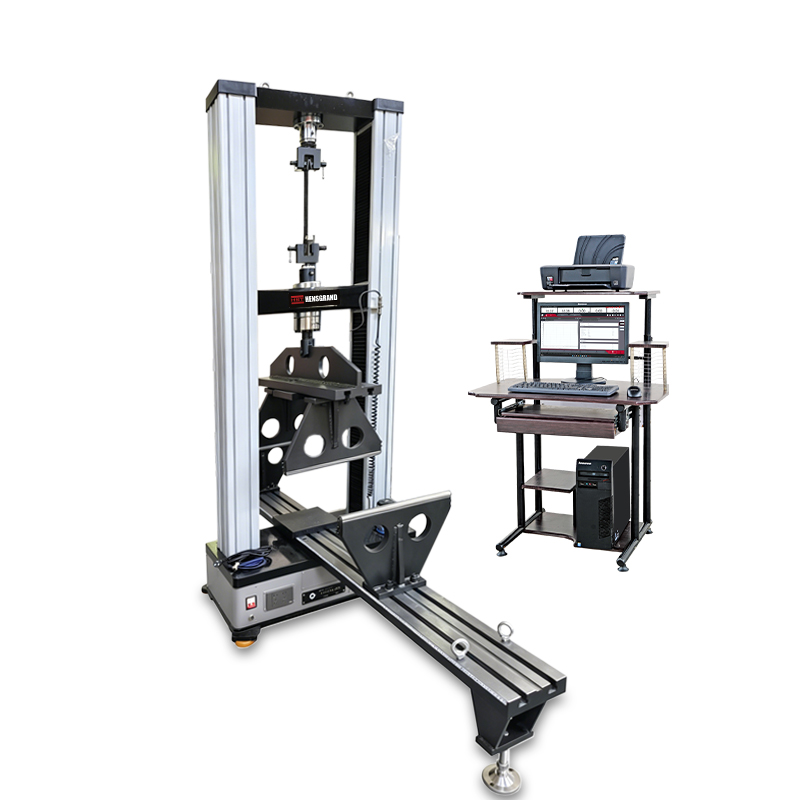
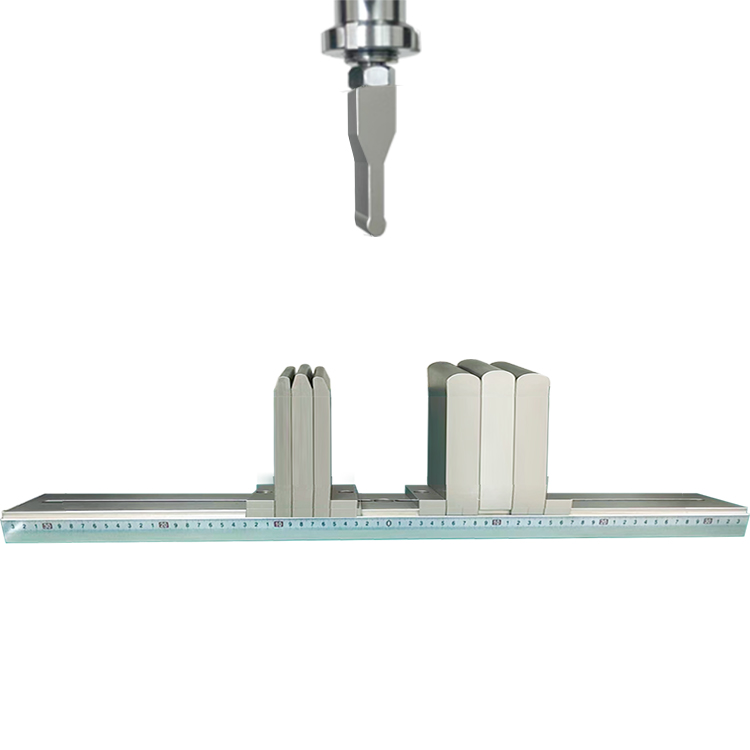
ISO 3133, ISO 3349, & ASTM D143 Flexural Properties of Wood ISO 3133, ISO 3349, and ASTM D143 are all testing standards that determine the flexural material properties of wood beams. A flex test subjects wood to compressive, tensile and shear loading, which replicates the most realistic end uses of the material. ISO 3133, ISO 3349 and EN 310 are specific to static bending, but ASTM D143 includes various other wood test types such as compression, impact, tension, hardness, nail removal testing, and others. The above listed standards are the most commonly used wood flex tests, but many other wood testing standards exist in various organizational bodies including ASTM, ISO, EN, BS, JAS, and JIS. Wood is widely used as an engineering material in the construction and furniture industries. Before using a wooden beam as a building material, contractors and manufacturers need to know that the beam will hold up appropriately when subjected to the forces and environmental conditions of its end use. Bend testing is an accepted way to compare different types of wood, which is often required when choosing the appropriate material. MATERIALS TESTING SYSTEM A typical test set up uses WDW series electromechanical dual column Universal Testing Machine configured with a base beam and three-point anvil set. The wood flex fixture is available in 10 kN and 50 kN capacities. In addition, a yoke deflectometer and clip-on extensometer are available for measuring bending deflections, as specified by ASTM D143.
Relate Products