

- HOME >> SOLUTIONS >> By Standard >> ISO Test Standards
ISO 6892-2: Tensile Testing of Metallic Materials at Elevated Temperatures
ISO 6892-2 is one of the most commonly used testing standards for the tensile testing of metallic materials at elevated temperatures (above 35°C). ISO 6892-2:2018 is the current version of the metals testing standard. It was first published in 2011, when it canceled and replaced the previous standard governing elevated temperature testing — ISO 783:1999.
Elevated temperature testing is most commonly used in the aerospace industry, where metallic materials in aircraft engines and structures must exhibit high strength while running at high temperatures. This form of testing has become increasingly important in aerospace metals, as higher engine service temperatures are desired for improved efficiency. Similarly, ISO 6892-2 is relevant to important applications in power generation, automotive components, and petrochemical equipment. Wherever metal fasteners, hardware, or structural components are expected to carry loads in hot environments, ISO 6892-2 enables a standardized determination and qualification of their important tensile properties.
Evolution of the Standard
The second edition, released in 2018, is the most recent version of this standard and cancels and replaces the first edition (ISO 6892-2:2011). Only minor changes have been introduced into the latest version. These updates are enumerated in the foreword of the latest standard. Most notable is an advisory that was added to the Method of Gripping, which explains how a small tensile load may be used during the pretest portion of the test. This will be covered below in our rundown of the test setup.
The latest edition of ISO 6892-1 is a normative reference for this standard, which details important information about terms and definitions used in this standard. For more information about ISO 6892-1, please see our test solutions page.
ISO 6892-2 is similar, but not equivalent to ASTM E21. This guide is designed to introduce you to the basic elements of an ISO 6892-2 elevated temperature tensile test and will provide an overview of the materials testing equipment, software, and tensile specimens needed. However, anyone planning to conduct testing should not consider this guide an adequate substitute for reading the full standard.
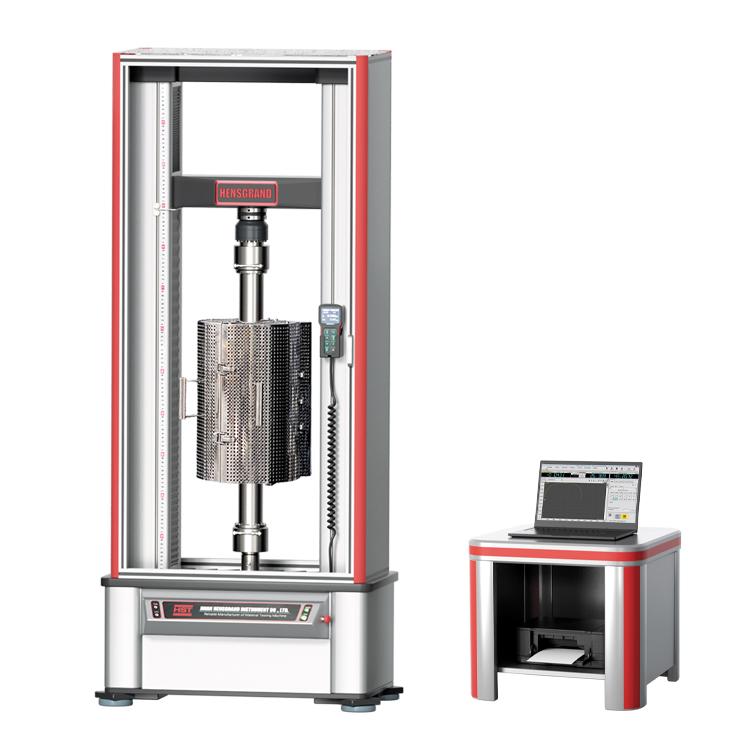
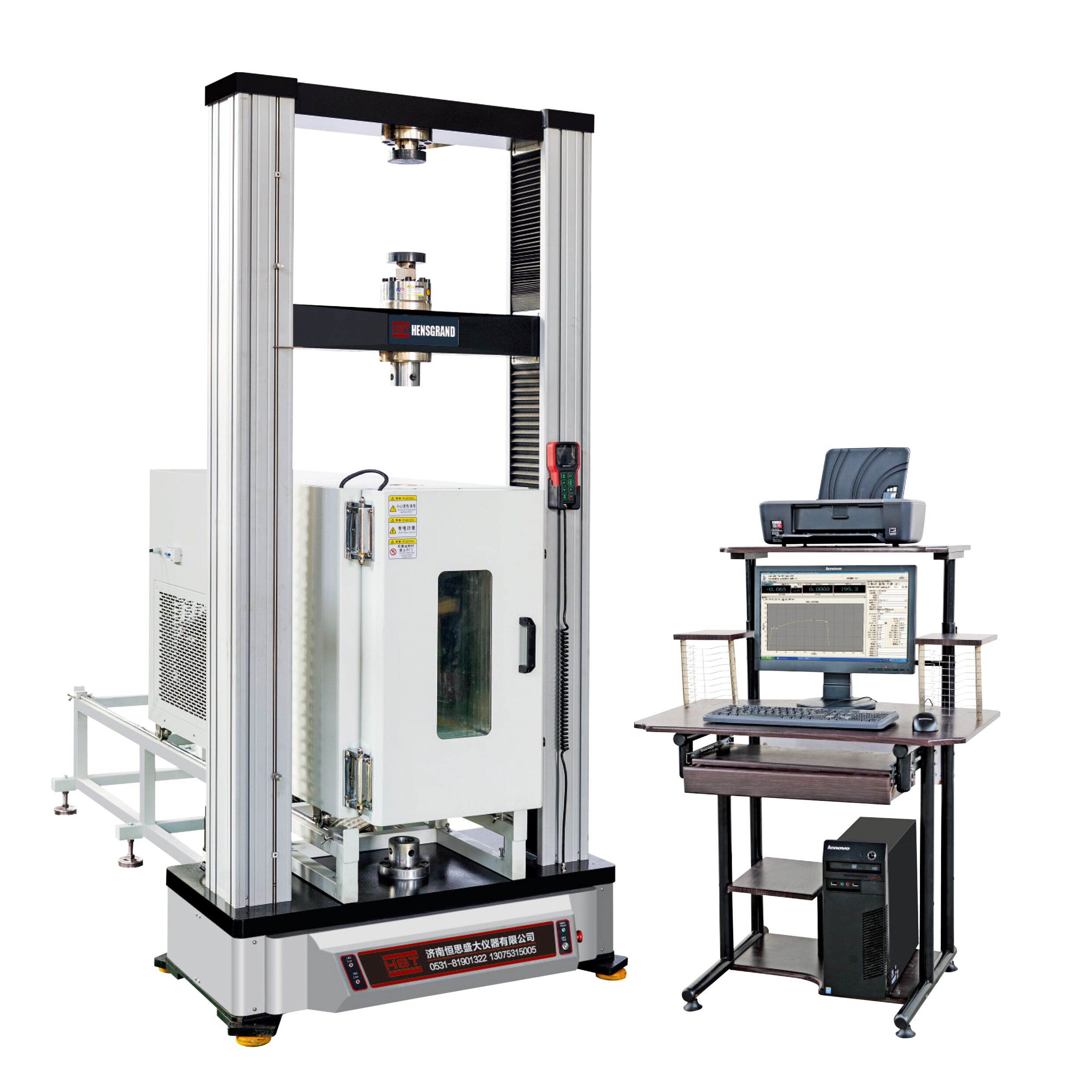
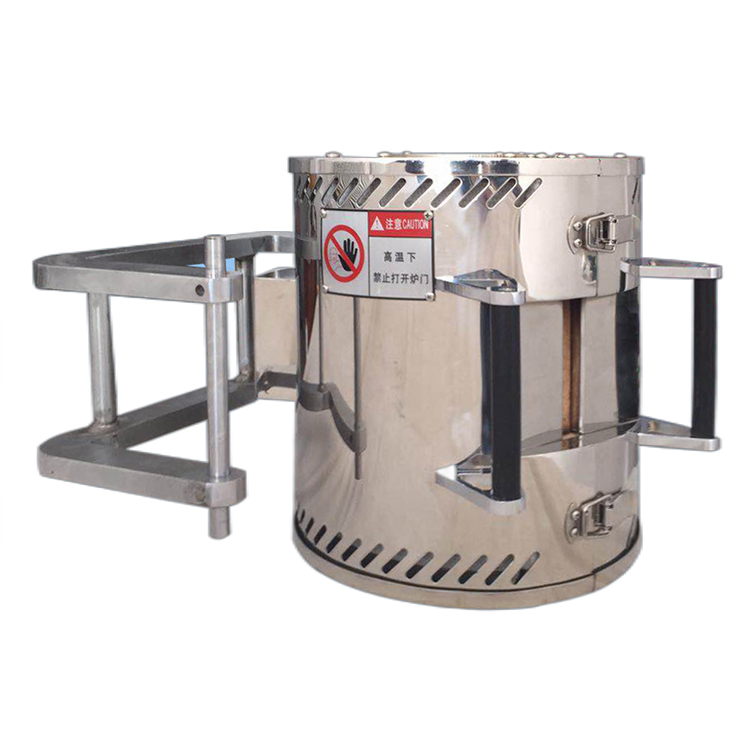
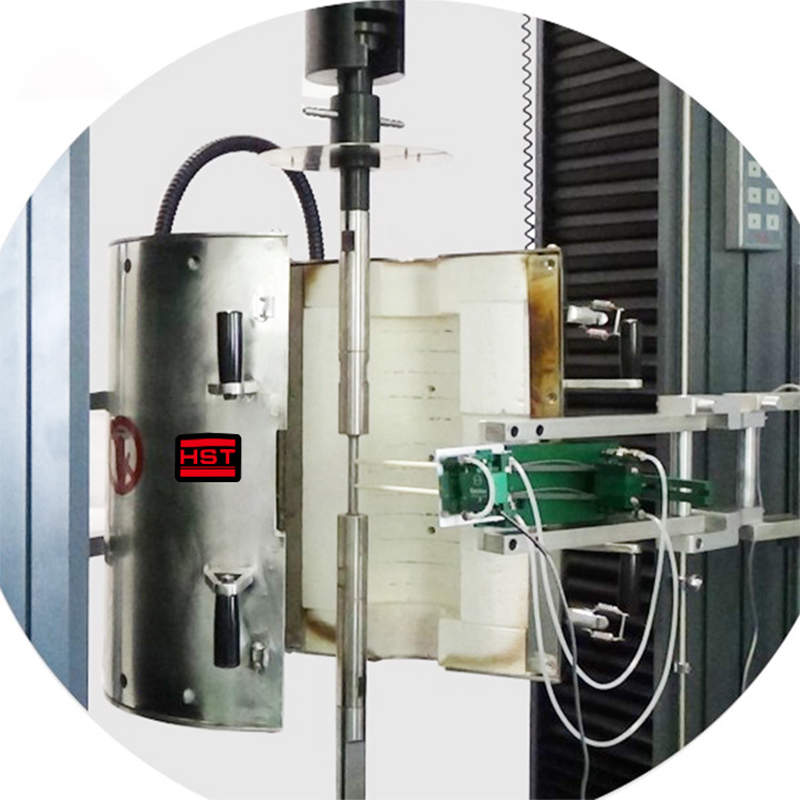
ISO 6892-2 measures the tensile properties of metallic materials in any form at elevated temperatures. Specimens are brought to a specified temperature of interest using either a chamber or furnace, and that temperature must be maintained throughout a pretest-soaking period as well as the test itself within an allowable range, as stated in the standard. ISO 6892-2 is most commonly used to measure the following tensile properties:
Proof strength (Rp): The stress at which a material becomes permanently deformed. ISO 6892-2 determines both upper and lower yield strength (if applicable).
Tensile strength (Rm): The maximum force or stress that a material is capable of sustaining during a tensile test.
Percentage elongation: The increase over the original gauge length at any specified moment during the test, expressed as a percentage of the original gauge length.
Elevated temperature testing is most commonly used in the aerospace industry, where metallic materials in aircraft engines and structures must exhibit high strength while running at high temperatures. This form of testing has become increasingly important in aerospace metals, as higher engine service temperatures are desired for improved efficiency. Similarly, ISO 6892-2 is relevant to important applications in power generation, automotive components, and petrochemical equipment. Wherever metal fasteners, hardware, or structural components are expected to carry loads in hot environments, ISO 6892-2 enables a standardized determination and qualification of their important tensile properties.
Evolution of the Standard
The second edition, released in 2018, is the most recent version of this standard and cancels and replaces the first edition (ISO 6892-2:2011). Only minor changes have been introduced into the latest version. These updates are enumerated in the foreword of the latest standard. Most notable is an advisory that was added to the Method of Gripping, which explains how a small tensile load may be used during the pretest portion of the test. This will be covered below in our rundown of the test setup.
The latest edition of ISO 6892-1 is a normative reference for this standard, which details important information about terms and definitions used in this standard. For more information about ISO 6892-1, please see our test solutions page.
ISO 6892-2 is similar, but not equivalent to ASTM E21. This guide is designed to introduce you to the basic elements of an ISO 6892-2 elevated temperature tensile test and will provide an overview of the materials testing equipment, software, and tensile specimens needed. However, anyone planning to conduct testing should not consider this guide an adequate substitute for reading the full standard.
ISO 6892-2 measures the tensile properties of metallic materials in any form at elevated temperatures. Specimens are brought to a specified temperature of interest using either a chamber or furnace, and that temperature must be maintained throughout a pretest-soaking period as well as the test itself within an allowable range, as stated in the standard. ISO 6892-2 is most commonly used to measure the following tensile properties:
Proof strength (Rp): The stress at which a material becomes permanently deformed. ISO 6892-2 determines both upper and lower yield strength (if applicable).
Tensile strength (Rm): The maximum force or stress that a material is capable of sustaining during a tensile test.
Percentage elongation: The increase over the original gauge length at any specified moment during the test, expressed as a percentage of the original gauge length.
Percentage reduction of area (Z): A measurement of the ductility of a material. This is the difference between the original cross-sectional area of a specimen and the area of its smallest cross section after testing, expressed as a percentage decrease in original cross section. The smallest cross section is measured after fracture, at room temperature.
Relate Products