

ASTM D3039: Tensile Properties of Polymer Matrix Composite Materials
ASTM D3039: Tensile Properties of Polymer Matrix Composite Materials
A Guide for Testing Polymer Matrix Reinforced Composites to ASTM D3039ASTM D3039 is a widely used standard for determining the tensile properties of composite materials. More specifically, this standard applies to composites that consist of a polymer matrix reinforced by either continuous or discontinuous high modulus fibers.
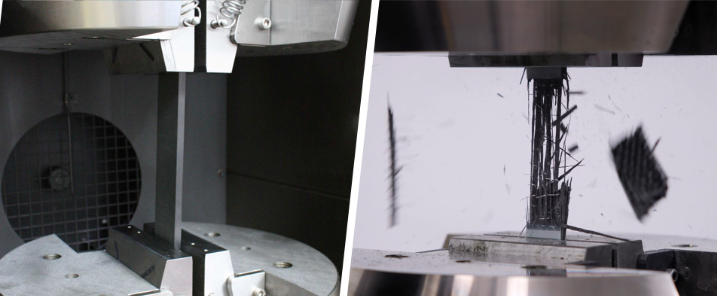
This guide introduces the key elements of ASTM D3039 testing, including equipment, software, and samples needed.
What Does ASTM D3039 Measure?
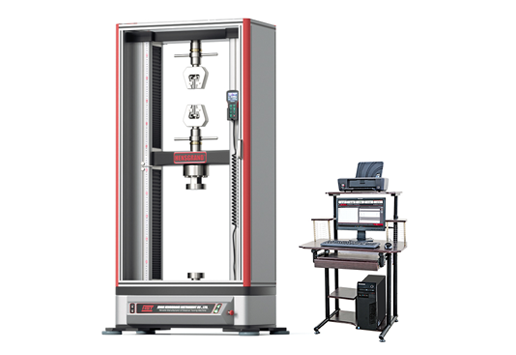
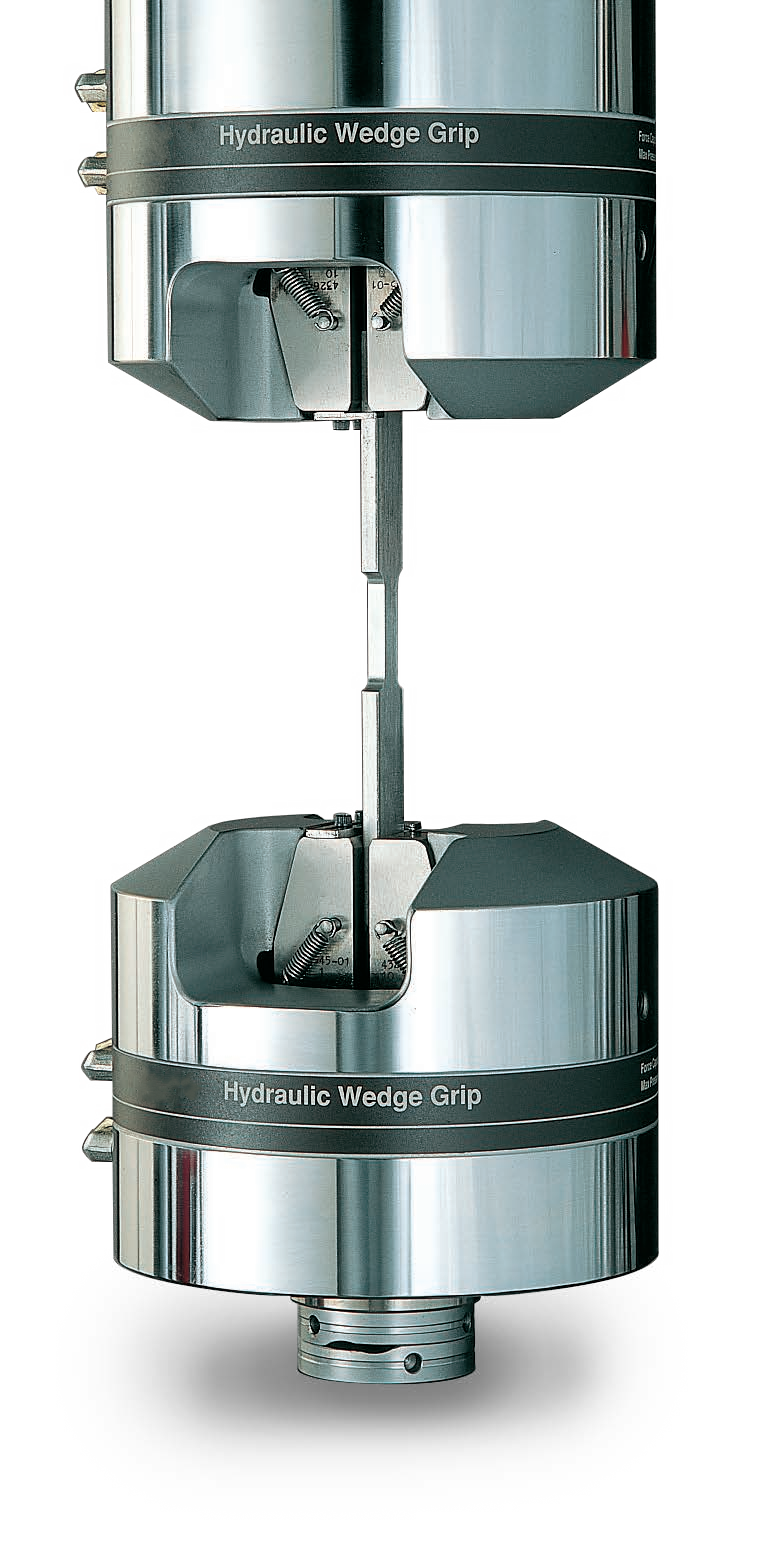
ASTM D3039 testing involves applying a tensile force to a specimen (coupon) and measuring various properties. Testing is conducted on a Universal Testing Machine (also called a tensile testing machine) and the standard incorporates both inch-pound and SI units.
Key measurements include:
Ultimate tensile strength – Maximum stress applied (typically at break)
Ultimate tensile strain – Strain at break
Tensile modulus – Material stiffness
Poisson’s ratio – Ratio of the change in transverse to longitudinal strain
Transition strain – In cases where the material shows a yield behavior as indicated by a slope change in the stress-strain response, the transition strain is the strain value where the slope change occurs
Failure mode – Broken specimens must be examined and their failure type, area, and location must be recorded.
Is ASTM D3039 the Right Standard?
ASTM D3039 is one of the most basic tests for characterizing the tensile properties of composite materials.
However, other standards exist to evaluate the many different mechanical properties of anisotropic and heterogeneous composite materials, including:
ASTM D3410 and ASTM D6641 for compression testing
ASTM D3518 for in-plane shear testing
Relate Products