


ASTM D198 Standard Test Methods of Static Tests of Lumber in Structural Sizes
Description For ASTM D198
ASTM D198 contains several test methods to evaluate the physical properties of various wood structural members including sawn lumber, glue laminated timbers, composite lumber, pre-fabricated I-joists, and others. Test methods within the specification include flexure, compression, tension, and torsion testing. The flexure method within ASTM D198 is one of the most popular test methods.Wood is one of the oldest and most widely used structural materials, and its mechanical properties are highly dependent on tree species, moisture content, and growth characteristics. ASTM D198 aims to overcome this variability by providing a standardized procedure for static testing of structural timber. This standard specifies that mechanical property data must be obtained under controlled laboratory conditions to derive engineering design values. It is suitable for large, life-size specimens, rather than small, clear tests, and therefore better reflects the actual performance of the wood in use.
These tests are used to determine the modulus of elasticity, ultimate strength, and deformation under load. Therefore, information obtained from ASTM D198 is crucial for timber engineering, structural reliability analysis, and the development of grading rules for commercial timber.
Specimen For ASTM D198
Wood
Grips For ASTM D198
Bend fixture
Bend fixtures are use to determine the flexural properties of rigid and semi-rigid materials. They are available in a variety of capacities, support diameter and widths, spans, and 3 or 4 point configurations.
Type of UTM machine
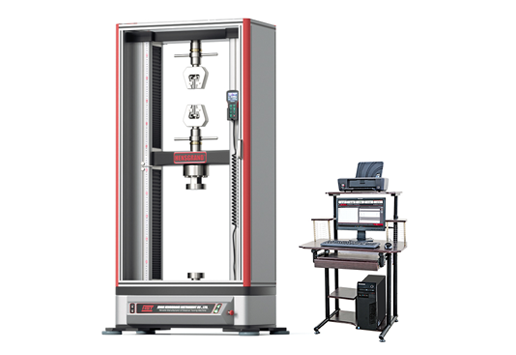
We recommend using UTM machines with a capacity of 5kN-600kN. It depends on the strength of the materials. We also recommend using dual-column types.
ASTM D198 contains several test methods to evaluate the physical properties of various wood structural members including sawn lumber, glue laminated timbers, composite lumber, pre-fabricated I-joists, and others. Test methods within the specification include flexure, compression, tension, and torsion testing. The flexure method within ASTM D198 is one of the most popular test methods.Wood is one of the oldest and most widely used structural materials, and its mechanical properties are highly dependent on tree species, moisture content, and growth characteristics. ASTM D198 aims to overcome this variability by providing a standardized procedure for static testing of structural timber. This standard specifies that mechanical property data must be obtained under controlled laboratory conditions to derive engineering design values. It is suitable for large, life-size specimens, rather than small, clear tests, and therefore better reflects the actual performance of the wood in use.
These tests are used to determine the modulus of elasticity, ultimate strength, and deformation under load. Therefore, information obtained from ASTM D198 is crucial for timber engineering, structural reliability analysis, and the development of grading rules for commercial timber.
Specimen For ASTM D198
Wood
Grips For ASTM D198
Bend fixture
Bend fixtures are use to determine the flexural properties of rigid and semi-rigid materials. They are available in a variety of capacities, support diameter and widths, spans, and 3 or 4 point configurations.
Type of UTM machine
We recommend using UTM machines with a capacity of 5kN-600kN. It depends on the strength of the materials. We also recommend using dual-column types.
Relate Products