


- HOME >> SOLUTIONS >> By Standard >> ISO Test Standards
ISO 6603-2 Impact Resistance of Composite Materials – Nautical Applications
ISO 6603-2 Impact Resistance of Composite Materials – Nautical Applications
Resins, and composites with a resin matrix, provide materials that are strong, lightweight, corrosion-resistant and dimensionally stable. These materials also provide good design flexibility, a high dielectric strength, and usually require lower tooling costs. Their tremendous strength-to-weight and design flexibility make them ideal in nautical applications.They are widely used in the building of recreational boat hulls and products destined to permanent water contact such as competition boats, surf-boards etc. Manufacturers of these products require materials that have a high degree of resistance to impact.
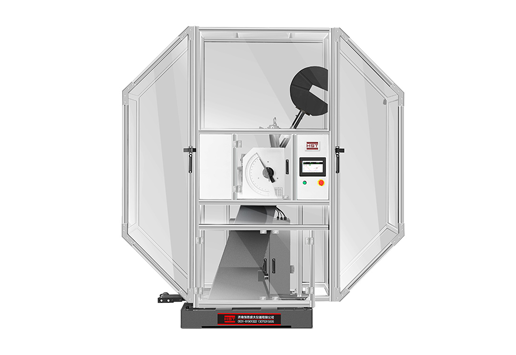
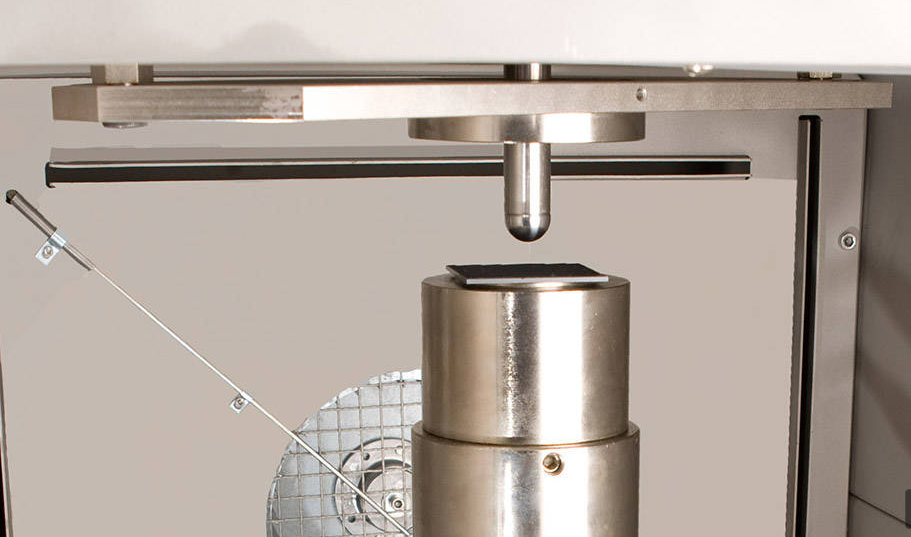
Of concern to the manufacturer not only is any damage that may be done to the outer layer of the product, but any damage that may occur to the inner layers of the material due to the impact event. The best way to investigate the impact properties of a resin or a composite based on resin matrix is to perform fully instrumented impact tests. Gathering data from this type of testing allows for the investigation of how all layers of the material react to impact events of varying energies.
Relate Products