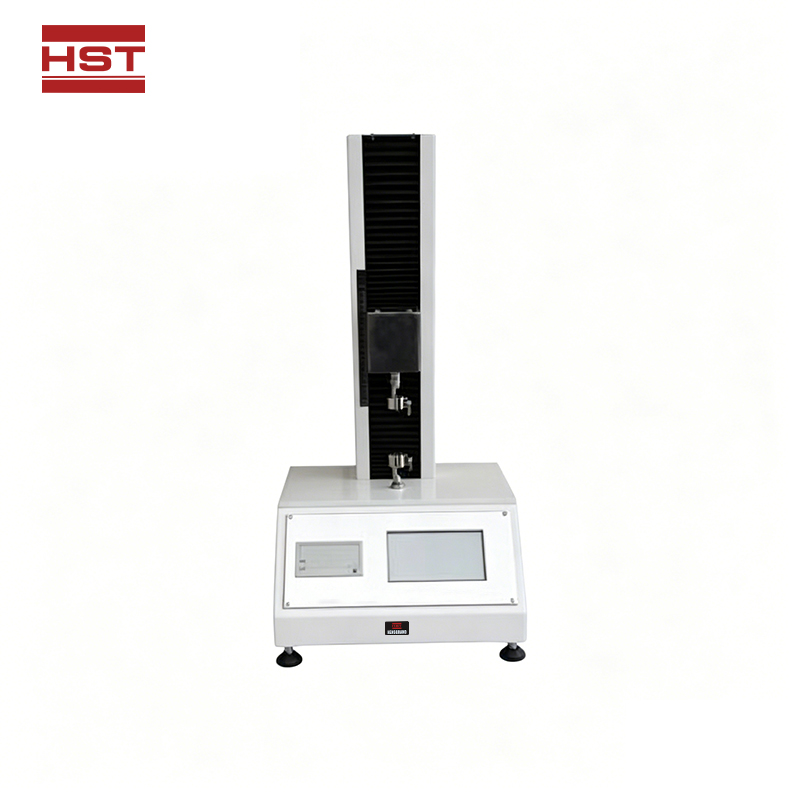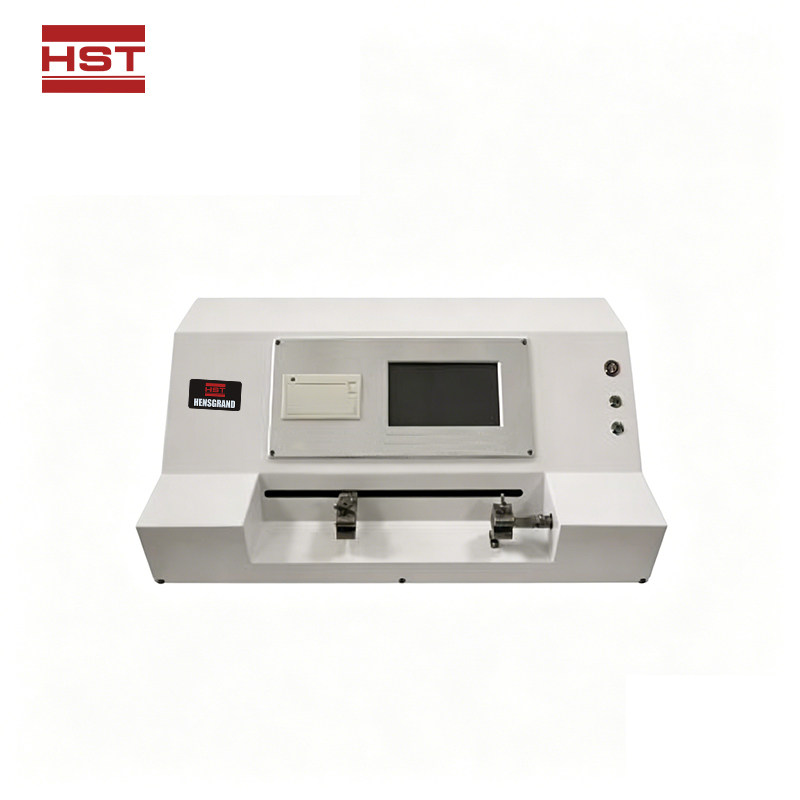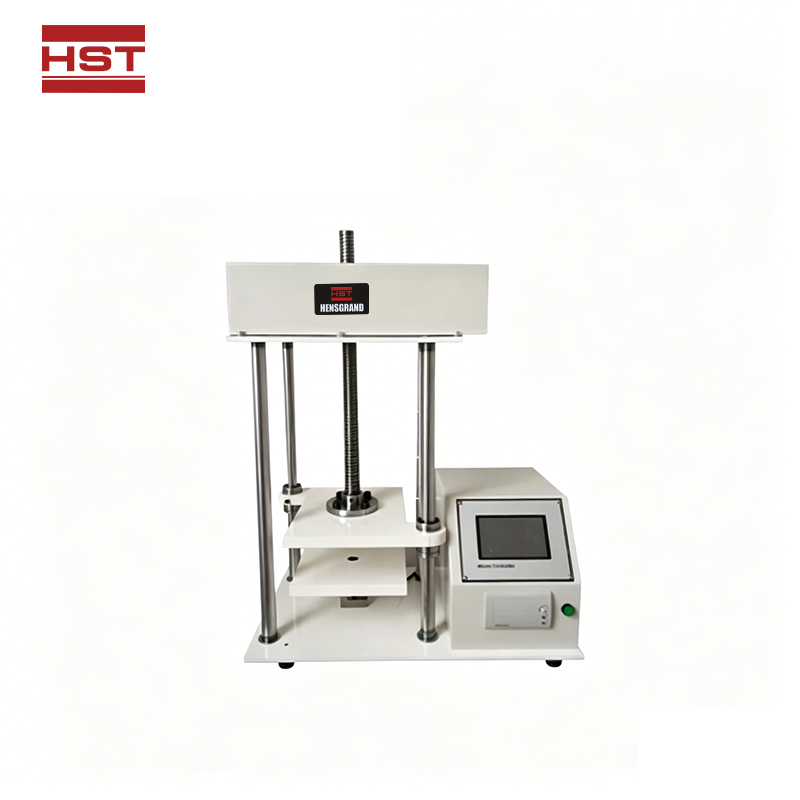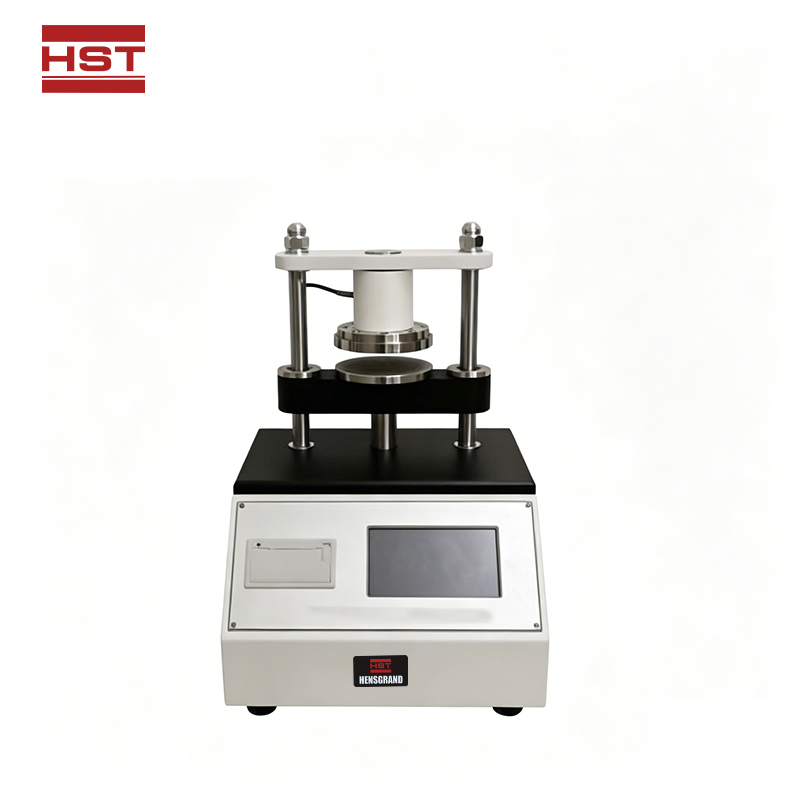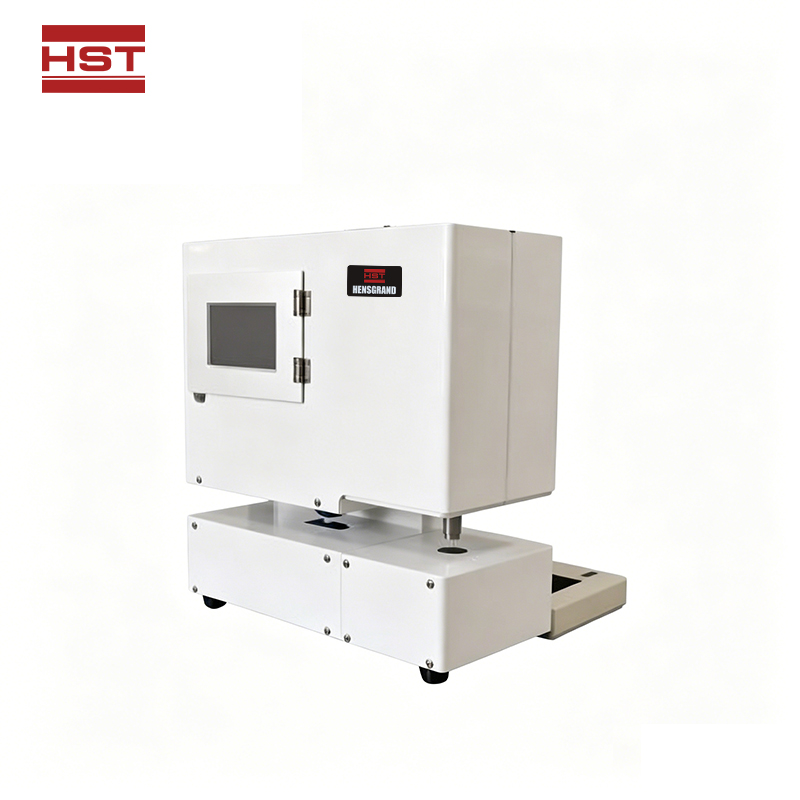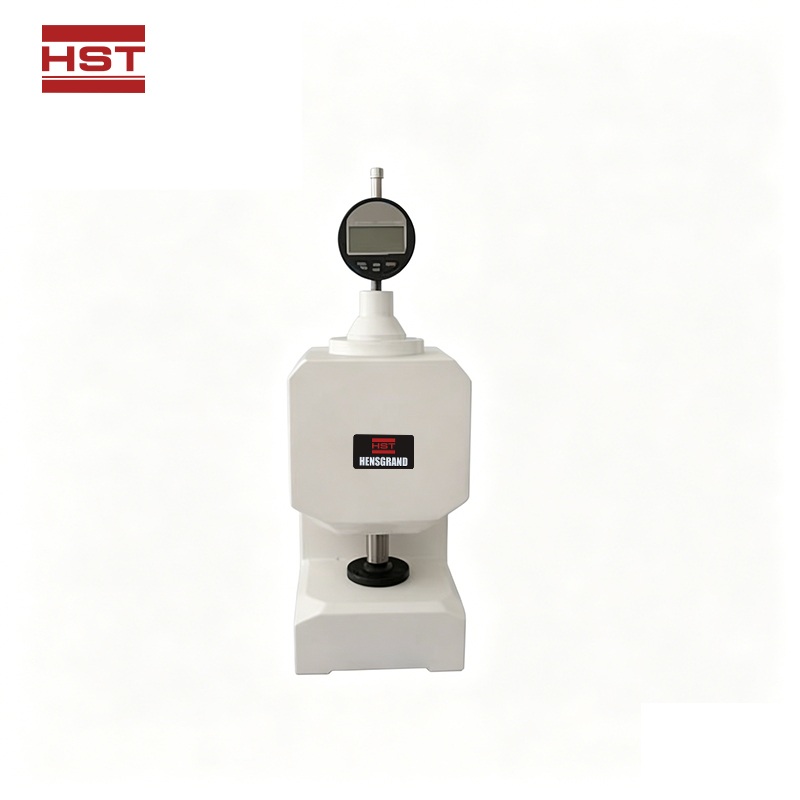
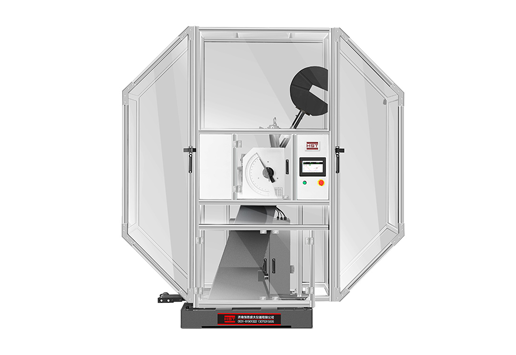


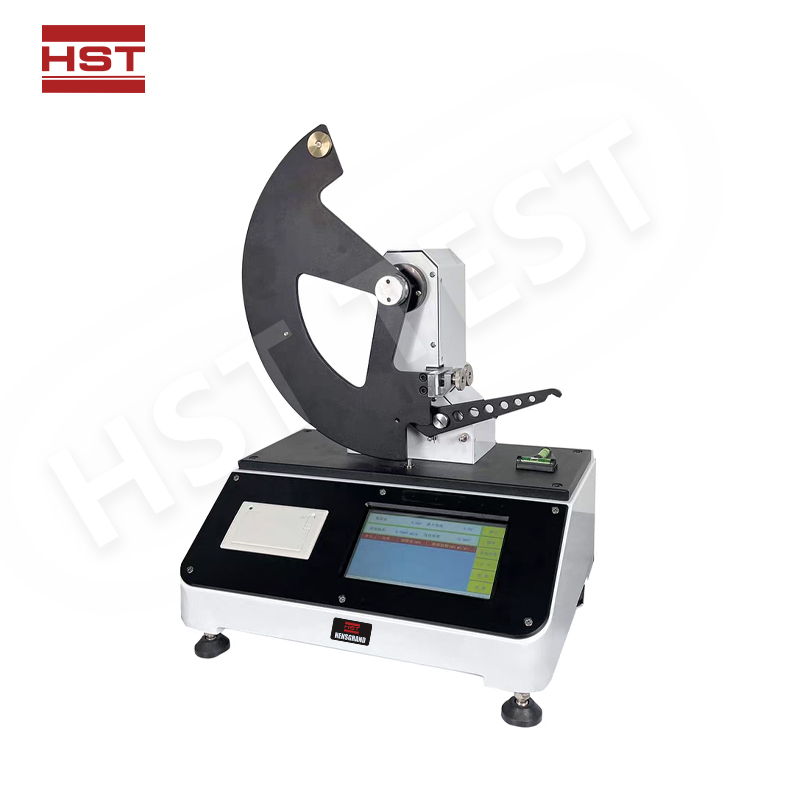
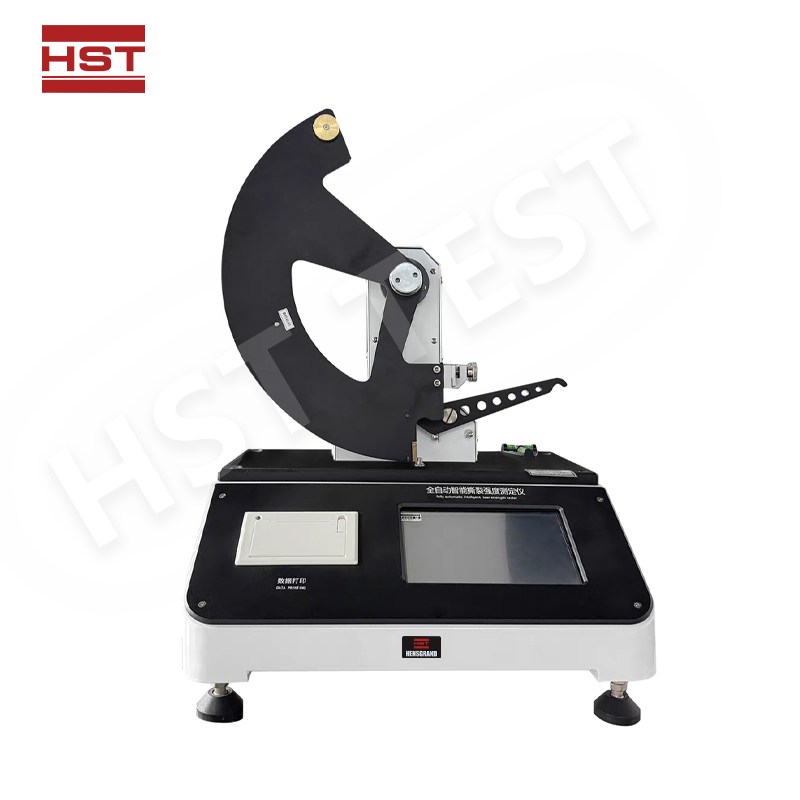

HST-ETT Electronic Tearing Tester
Introduction:
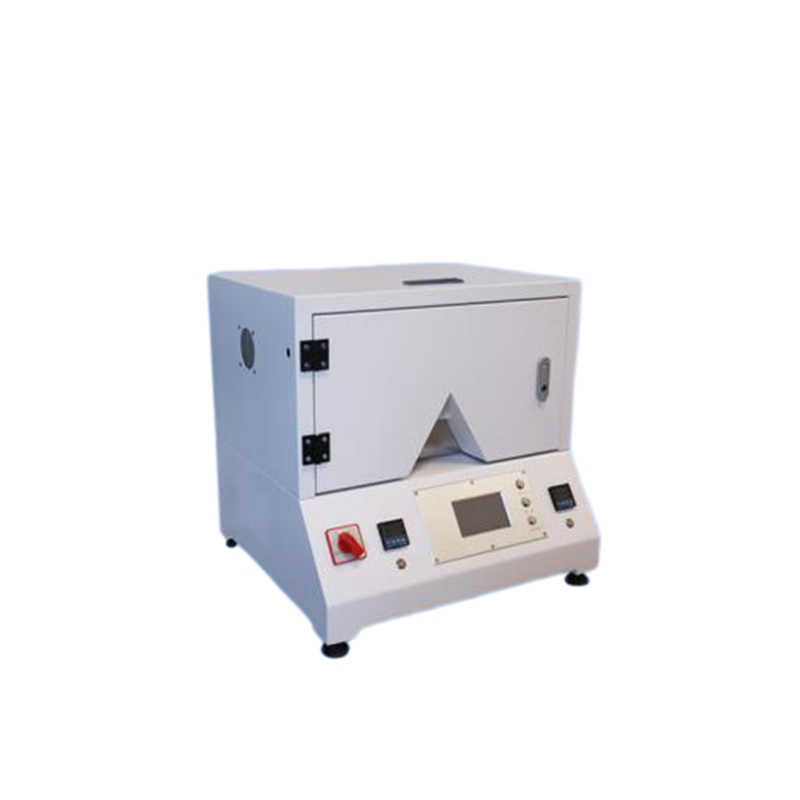
The microcomputer-controlled tear resistance tester is manufactured according to the Elmendorf method. It is specifically designed for testing the tear resistance of films, sheets, flexible PVC, polyvinylidene chloride (PVDC), waterproof membranes, woven materials, polyolefins, polyesters, paper, cardboard, textiles, and non-woven fabrics. This instrument is simple to operate, reliable, and technologically advanced. Test data is displayed digitally, and test reports are printed. It is an indispensable piece of equipment for research institutions, composite film manufacturers, paper mills, the packaging industry, and quality inspection departments.
Features:
1. Employing a high-precision angle sensor, the instrument achieves a resolution of 0.1mN, ensuring test accuracy within ±1%. This instrument is currently one of the most accurate tear strength testers available in China, and users can verify the readings using their own weights.
2.The included weighing weights allow for easy calibration at any time. The built-in pendulum friction compensation device reduces the impact of friction on the test, resulting in more accurate and stable results.
3. The touchscreen features a Chinese display and a user-friendly interface. It automatically completes tests, has test data statistical processing functions, and a mini printer for output. Automatic pendulum release control and automatic result memorization and display reduce human error, making it easy to operate and ensuring stable and accurate results.
4. The instrument comes with dedicated calibration weights and a built-in calibration program, facilitating calibration by metrology and calibration departments (third parties). During calibration, simply enter the calibration test program, screw the calibration weights into the calibration screw holes, and the reading error can be easily calibrated.
Test principle: The pendulum is raised to a certain height to give it potential energy; when the pendulum swings freely, it uses its stored energy to tear the sample; the computer control system calculates the energy consumed when tearing the sample, thus obtaining the force required to tear the sample.
Standards:
This instrument meets multiple national and international standards, including GB11999, GB/T 455, ISO 1974QB/T 1050, IS P8116, and TAPPI T414.
Specification:
|
Measurement range |
A-level: 10-8000mN, B-level: 8000-16000mN; |
|
Resolution |
0.1mN |
|
Tear lever arm |
104±1mm |
|
Initial tear angle |
27.5゜±0.5゜ |
|
Tear distance |
43±0.5mm |
|
Jig size |
25×15mm |
|
Jig distance |
2.8±0.3mm |
|
Sample cut length |
20±0.5mm |
|
Sample size |
50*63mm |
|
Display method |
High-resolution true-color industrial touch screen |
|
Control method |
Dedicated tear strength testing and control software |
|
Data output method |
Thermal or dot matrix printers are available (optional). |
|
External Dimensions |
450*330*440mm |
|
Power Supply |
220VAC 50Hz / 120VAC 60Hz |
|
Net Weight |
About 26KG |
|
Operating Environment |
Indoor temperature 20±10 °C; relative humidity <85%; clean with little dust, free from strong magnetic fields and strong vibration sources. |
|
※ Note: For users with special needs, our company can provide customized production within our capabilities to meet their requirements. |
|
Relate Products