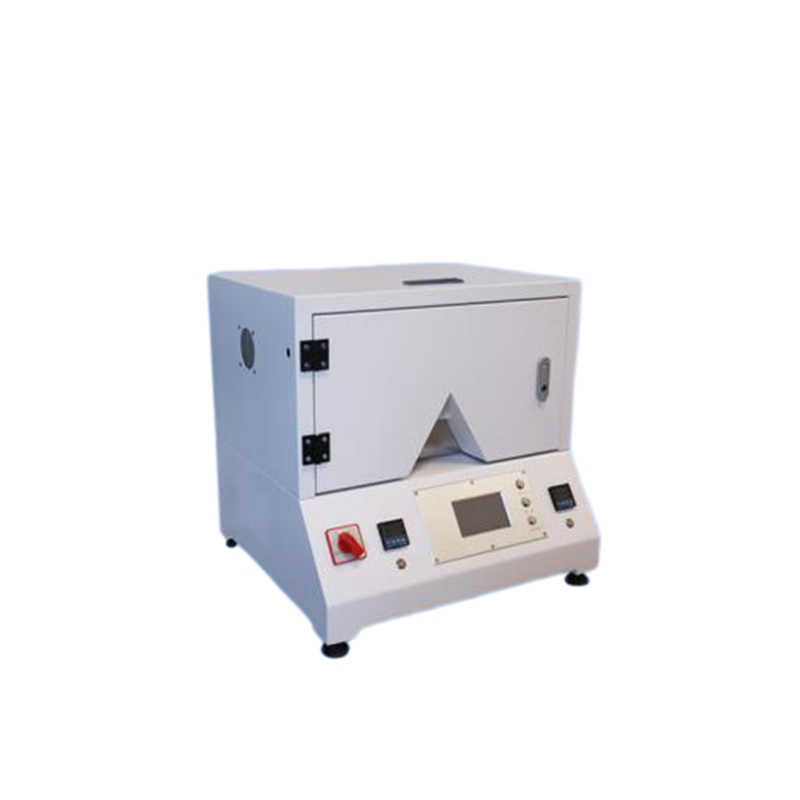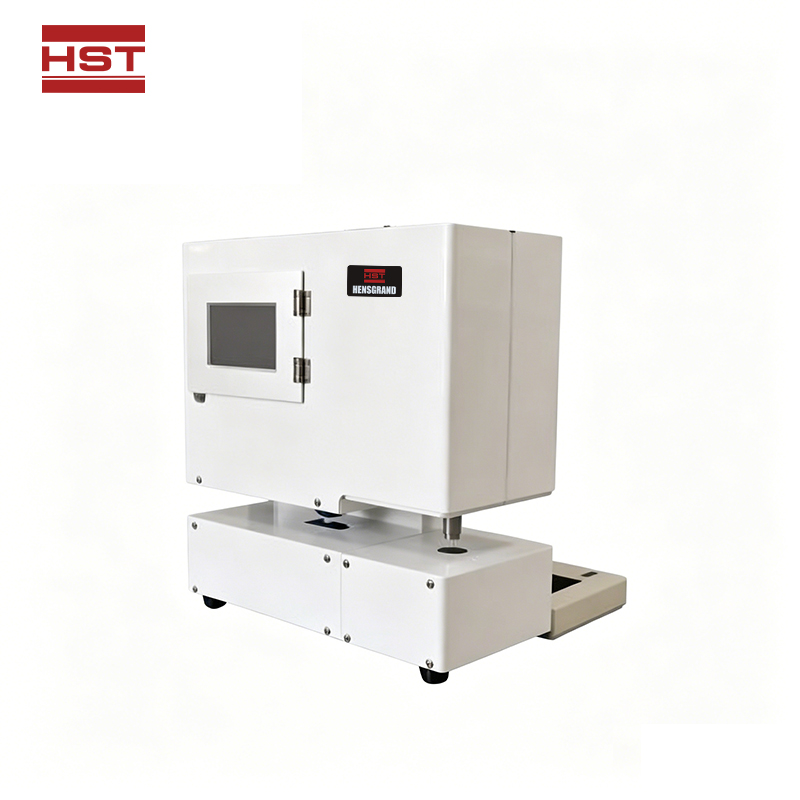



HST--WCM30 Fully Automatic Whiteness and Color Meter
Product Introduction
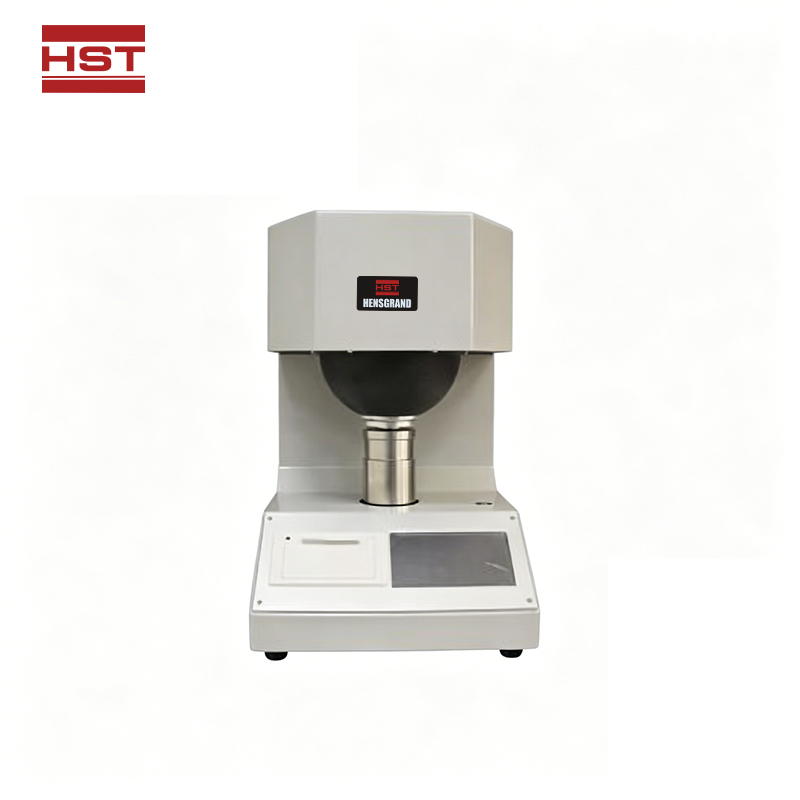
The fully automatic colorimeter is an instrument that uses the principle of light reflection to determine the color, color difference, and whiteness of objects. It is used for paper, cardboard, pulp, ceramics; and powders such as cement, starch, calcium carbonate, and talc.
Complies with the following standards:
Ø GB/T 3978 Standard Illuminators and Illumination Observation Conditions
Ø GB/T 7973 Determination of Diffuse Reflectance Factor of Paper, Paperboard and Pulp (Diffuse/Vertical Method) (d/0)
Ø GB/T 7974 Determination of Brightness (Whiteness) of Paper, Paperboard and Pulp (Diffuse/Vertical Method) (d/0)
Ø GB/T 7975 Determination of Color of Paper and Paperboard (Diffuse/Vertical Method) (d/0)
Ø GB/T 22880 Determination of CIE Whiteness of Paper and Paperboard, D65/10° (Outdoor Daylight)
Ø ISO2470 Determination of Blue Diffuse Reflectance Factor of Paper and Paperboard
Ø ISO2471 Determination of Opacity (Paper Substrate) of Paper and Paperboard - Diffuse Reflectance Method
Ø ISO 11457 Paper and Board - Determination of CIE Whiteness, D65/100 (Outdoor) GB/T 3979 Methods for Measuring the Color of Objects
Ø GB8940.2 Determination of Whiteness of Pulp
Ø GB2913 Test Method for Whiteness of Plastics
Ø GB1840 Determination Method for Industrial Potato Starch
Ø GB/T13025.2 General Test Method for Salt Industry, Determination of Whiteness
Ø GB/T 5950 Methods for Measuring Whiteness of Building Materials and Non-metallic Mineral Products
Ø GB/T 8425 Instrumental Evaluation Method for Whiteness of Textiles
Ø GB9338 Determination Method for Whiteness of Fluorescent Whitening Agents
Ø GB/T9984.1 Determination of Whiteness of Industrial Sodium Tripolyphosphate
Ø GB/T13176.1 Determination of Whiteness of Laundry Detergent
Ø GB/T13835.7 Test Method for Whiteness of Rabbit Hair Fibers
Ø GB/T 4739《Method for Determination of Colorimetric Properties of Daily-Use Ceramic Pigments》
Ø GB/T 6689《Determination of Color Difference of Dyes, Instrumental Method》
Ø GB8424.1/2/3《Method for Determination of Color and Color Difference of Textiles》
Ø GB/T11186.1《Method for Measurement of Color of Coatings》
Ø GB/T11942《Method for Measurement of Colorimetric Properties of Colored Building Materials》
Ø GB/T13531.2《Determination of Tristimulus Values and Color Difference ΔE* of Color in Cosmetics》
Ø GB/T1543《Method for Determination of Opacity of Paper》
Ø ISO2471《Method for Determination of Opacity of Paper and Paperboard》
Ø GB10339《Method for Determination of Light Scattering Coefficient and Light Absorption Coefficient of Paper and Pulp》
Ø GB12911《Method for Determination of Ink Absorption of Paper and Paperboard》
Ø GB2409《Test Method for Yellow Index of Plastics》
Technical Parameters:
1. Power Supply Voltage 1. AC (100~240)V, (50/60)Hz, 50W
2. Operating Environment: Temperature (10~35)℃, Relative Humidity ≤ 85%
3. Display: 5-inch 480X272 dot matrix color touchscreen
4. Light Source: Analog D65
5. Integrating Sphere: Diameter 150mm
6. Sample Size: Test plane ≥ φ30mm, thickness ≤ 40mm
7. Resolution: Chromaticity coordinate 0.0001, others 0.01
8. Zero Drift: ≤ 0.1
9. Indication Error: ≤ 0.5
10. Repeatability Error: ≤ 0.02 (10 consecutive tests at 10-second intervals)
11. Specular Reflection Error: ≤ 0.1
12. Printing: Thermal printer
13. Communication Interface: RS232
14. Dimensions: 260×380×410 mm
15. Net Weight Approximately 14kg
Product Features:
1. Advanced mechatronics design, truly achieving one-button testing of whiteness and color.
2. ARM processor, improving instrument response speed and making data calculation more accurate and faster.
3. Reference samples can be physical objects or data. The instrument can store and remember information from up to ten reference samples.
4. Can store 10 reference samples with power-off protection; calibration data will not be lost after a power outage.
5. Equipped with microcomputer software for communication (optional).
Relate Products