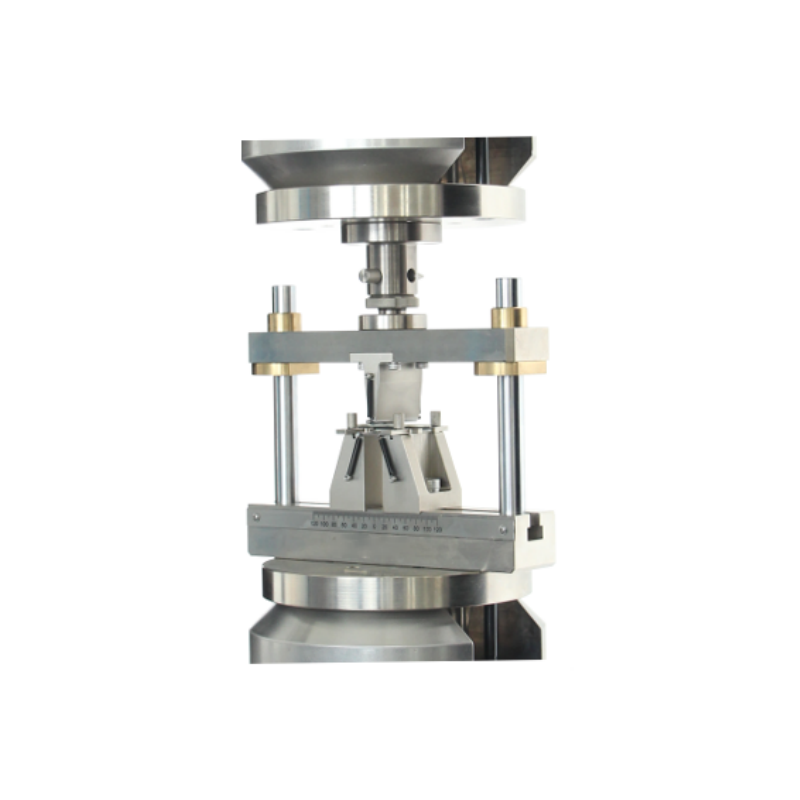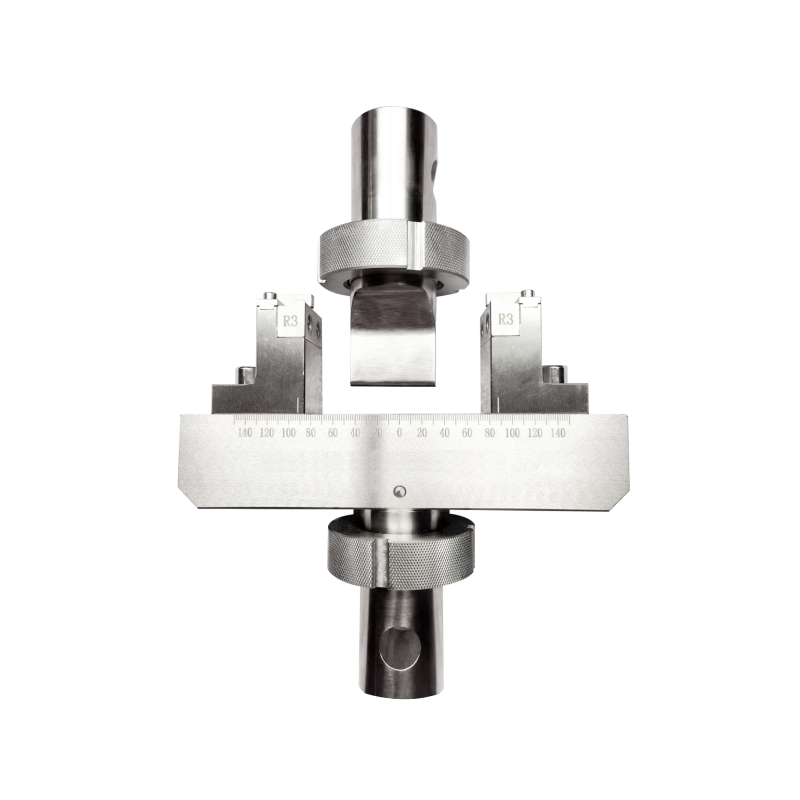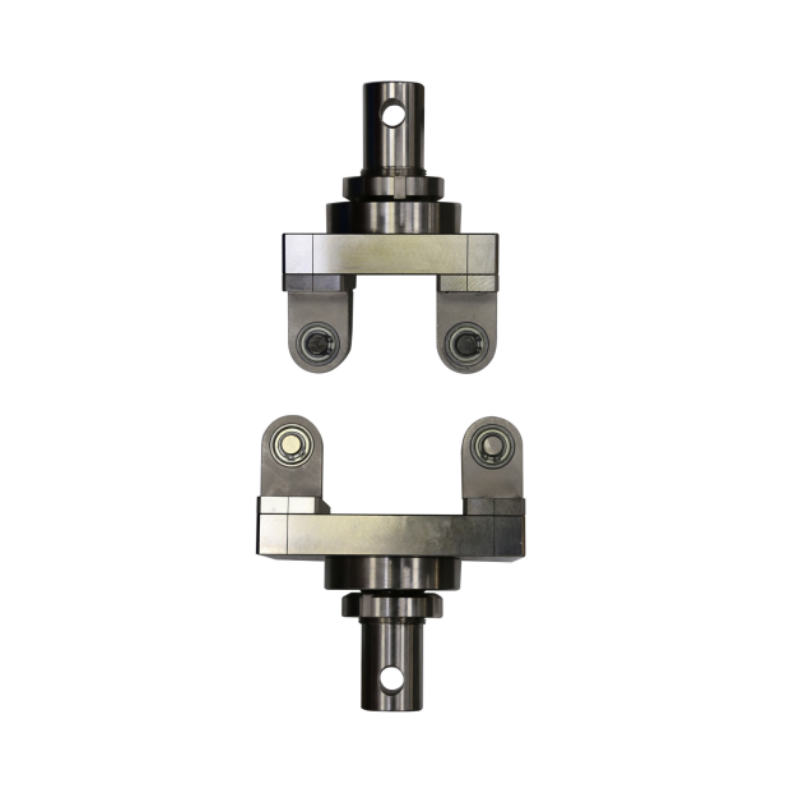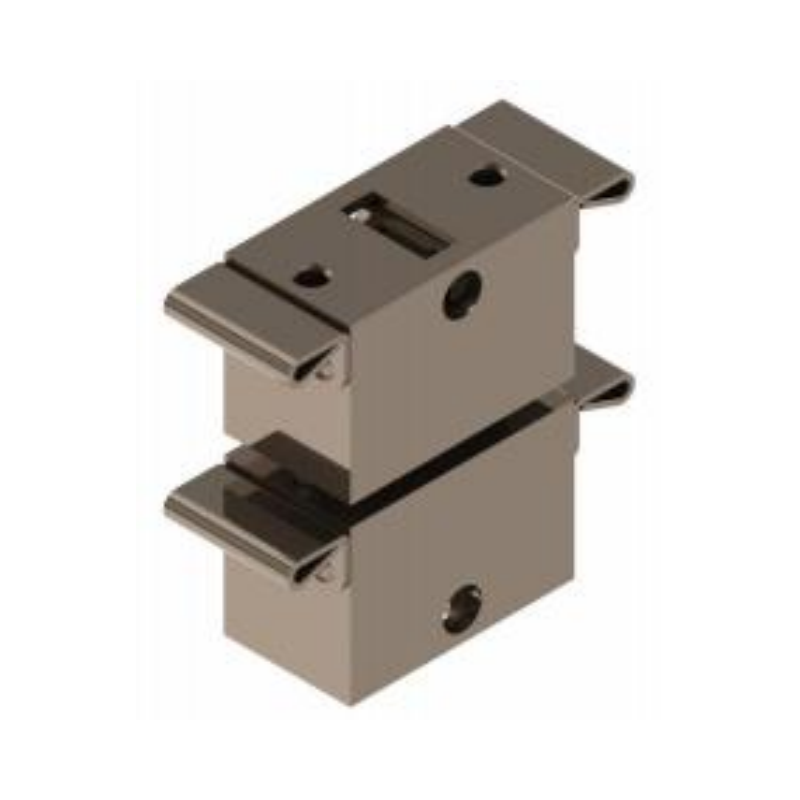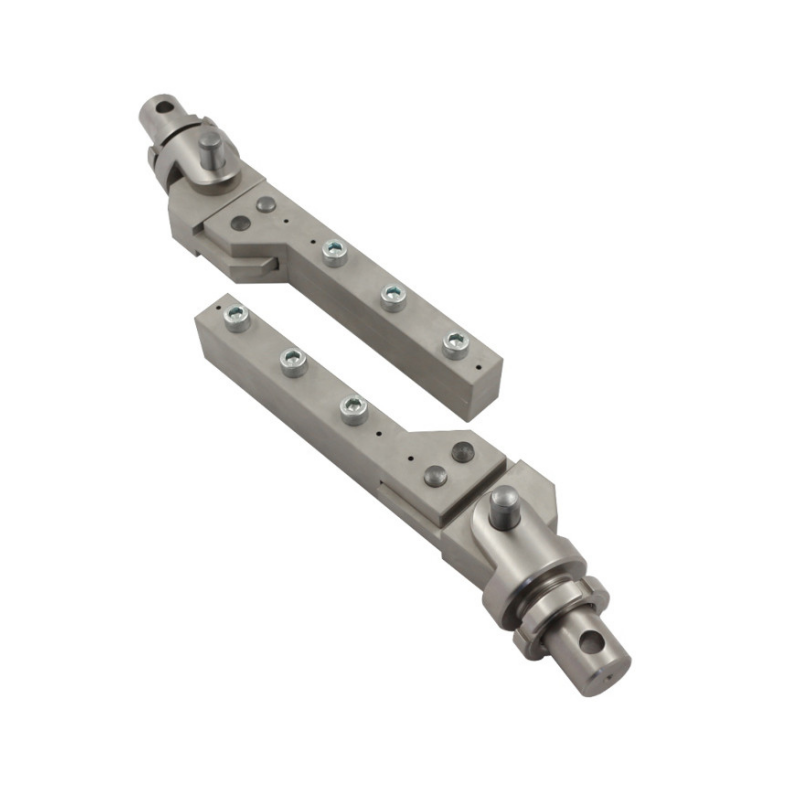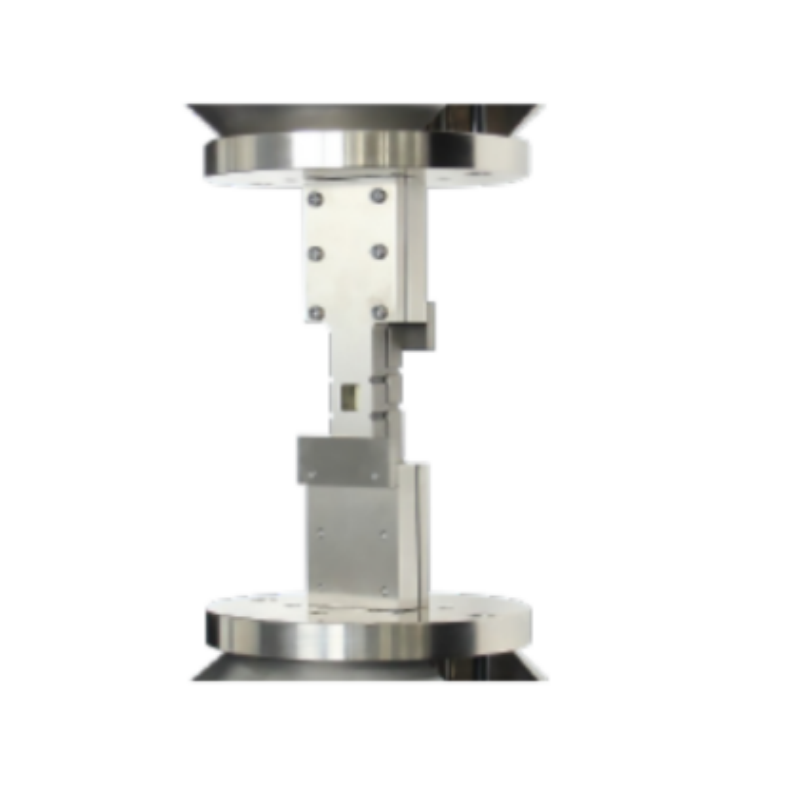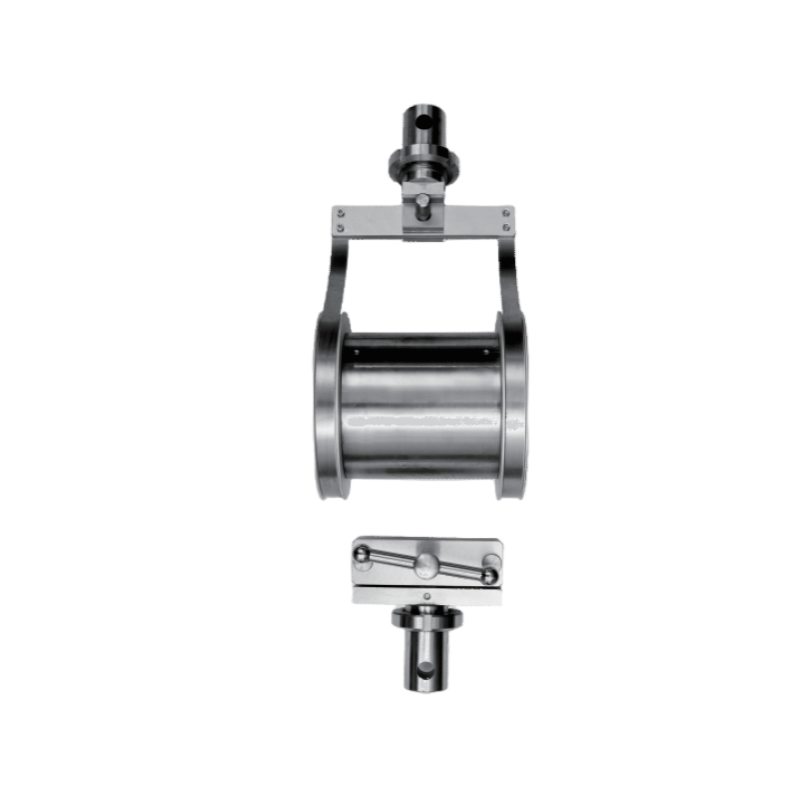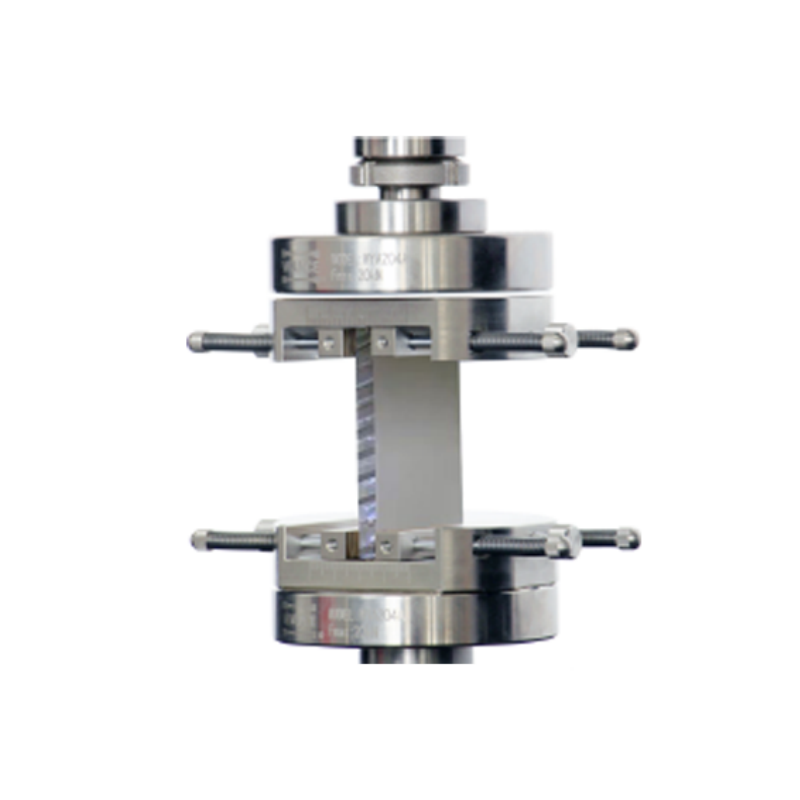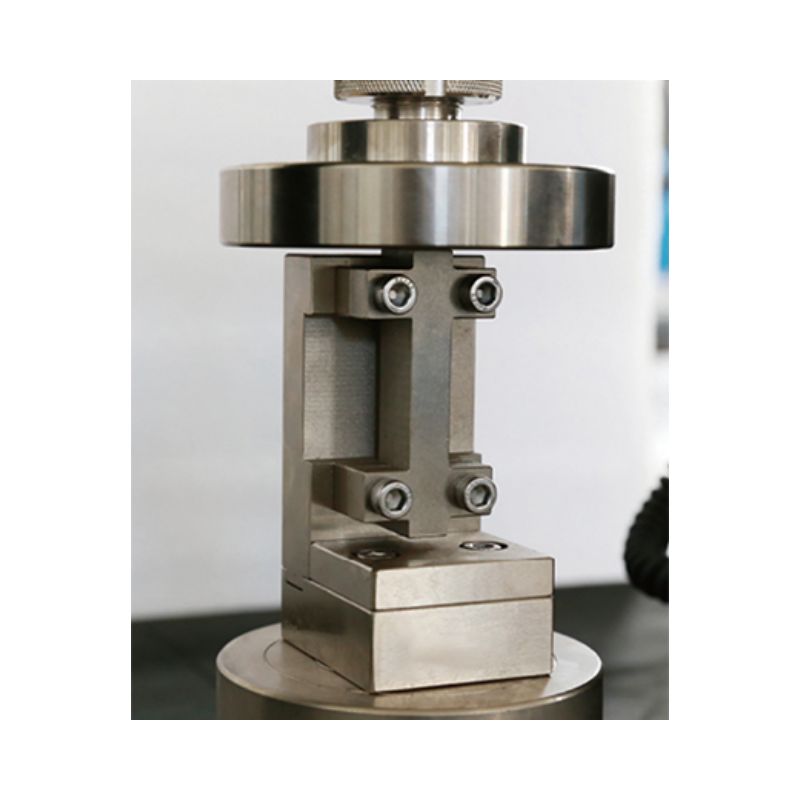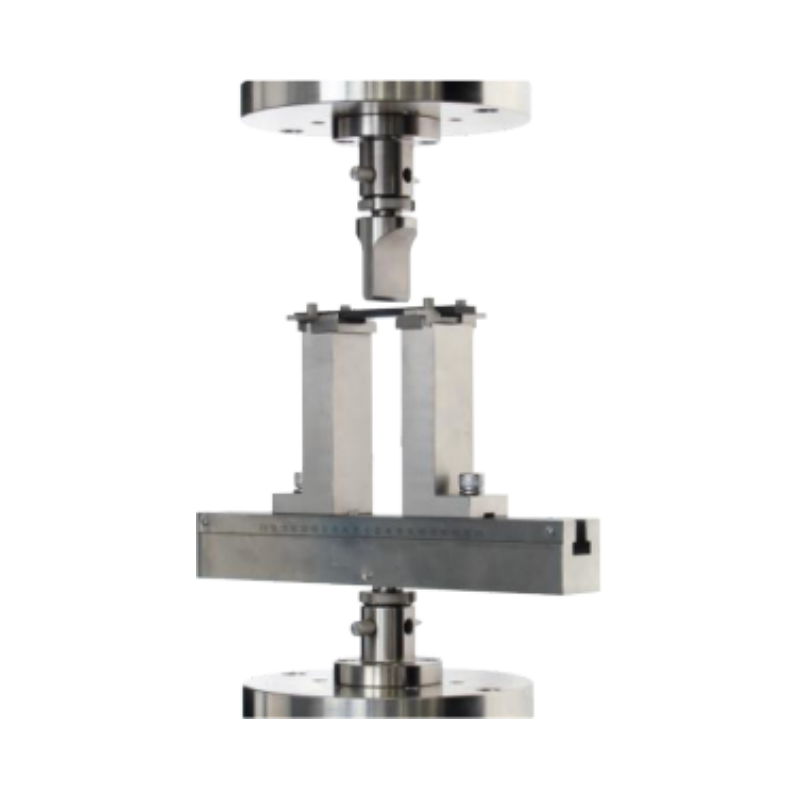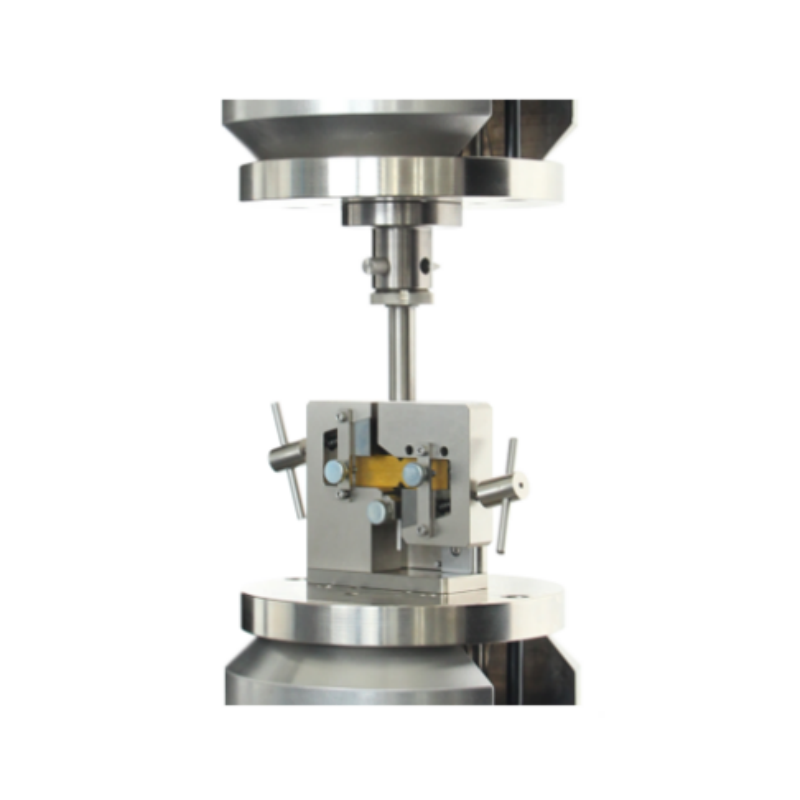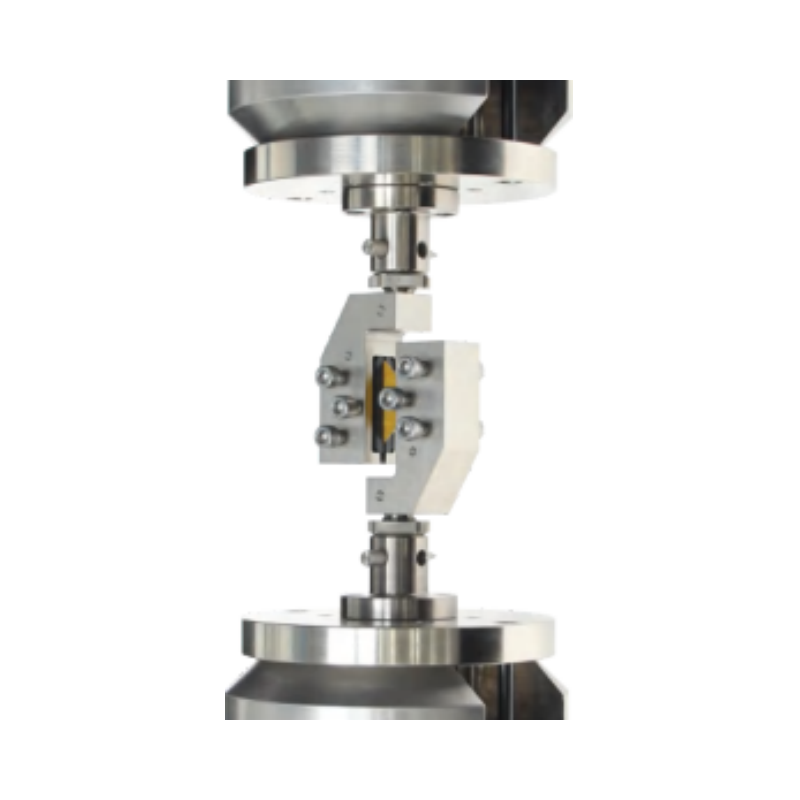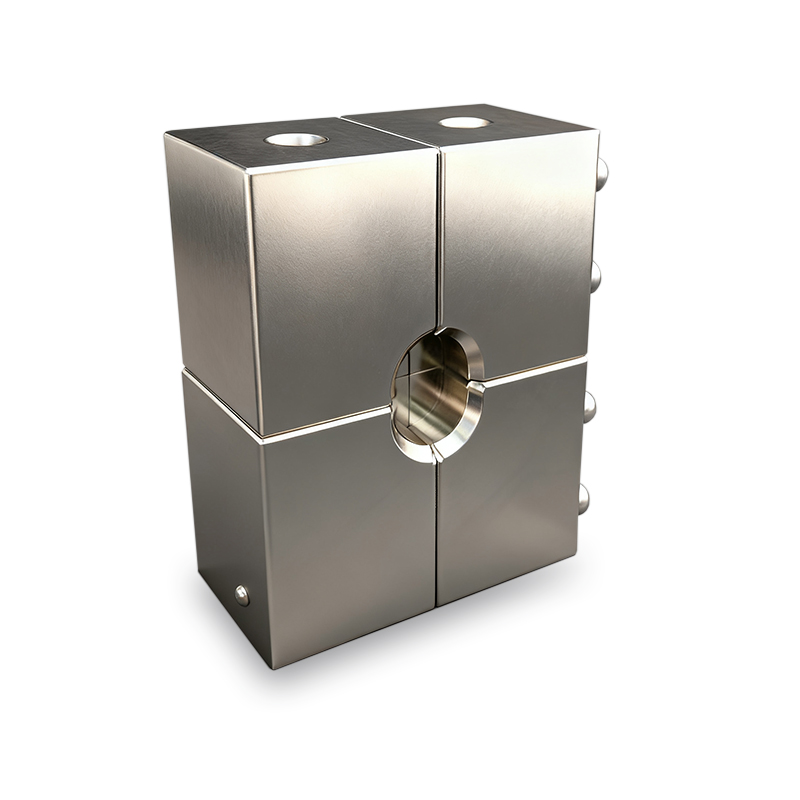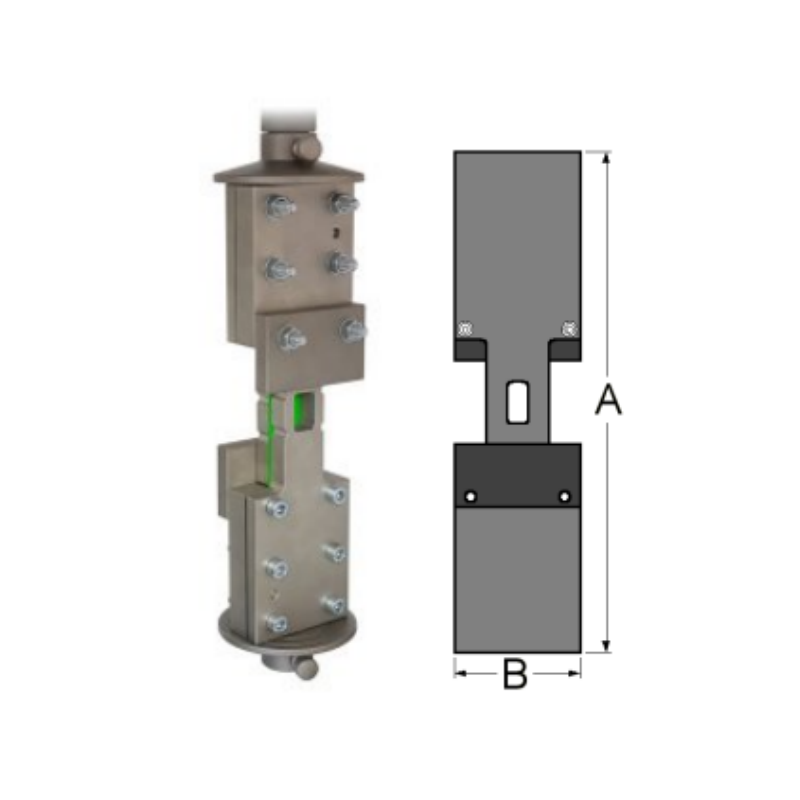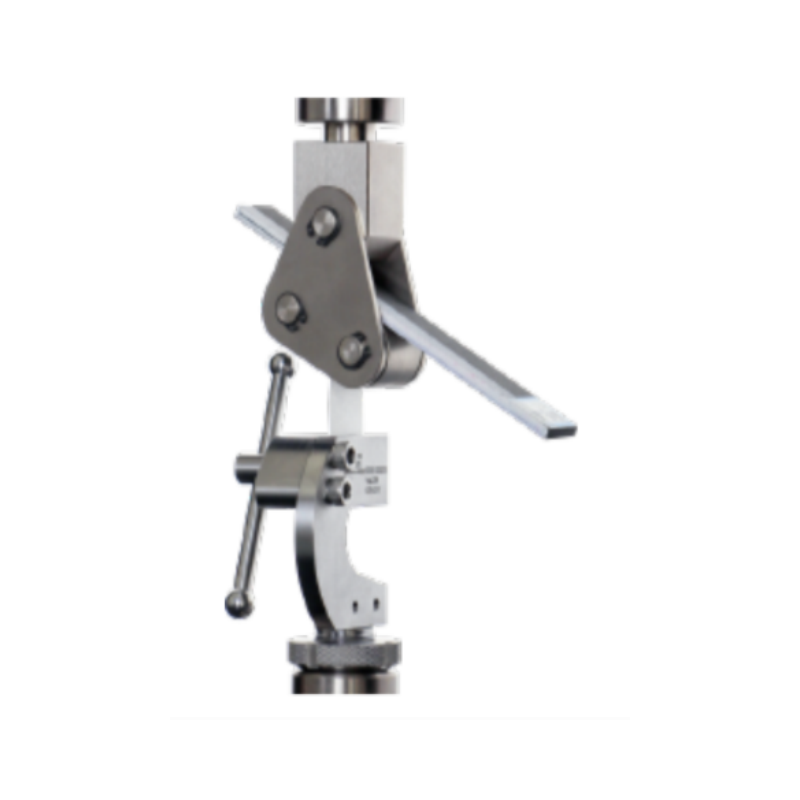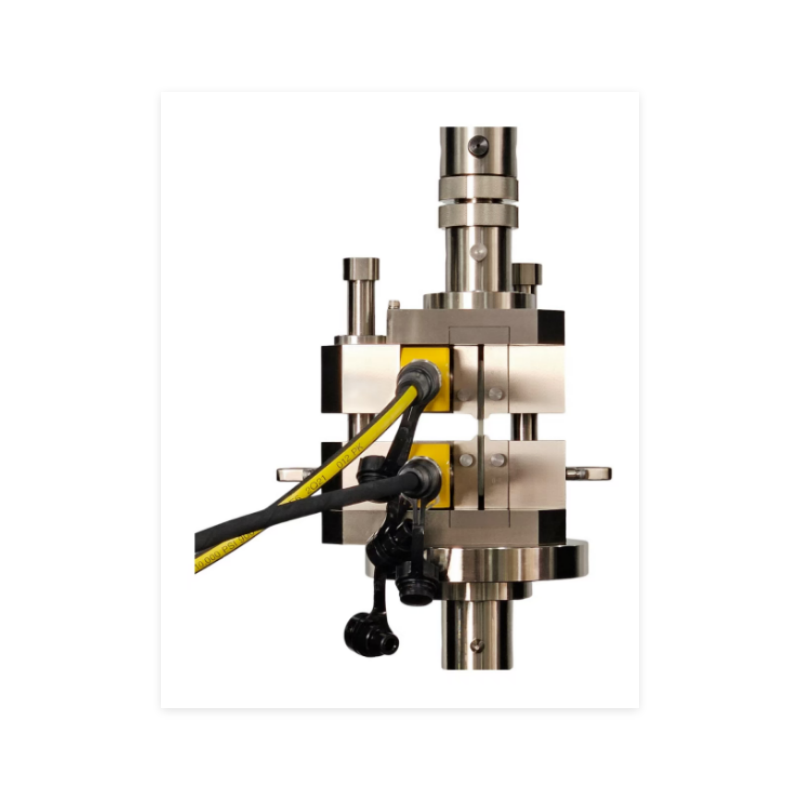



ASTM D7137 CAI test:Compression After Impact
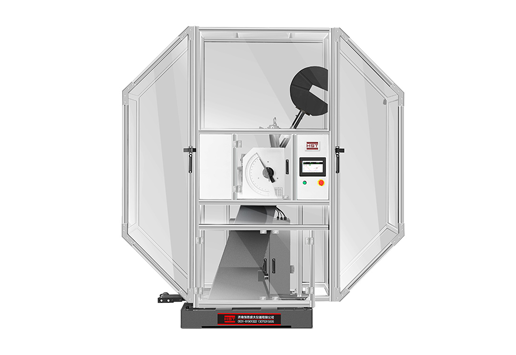
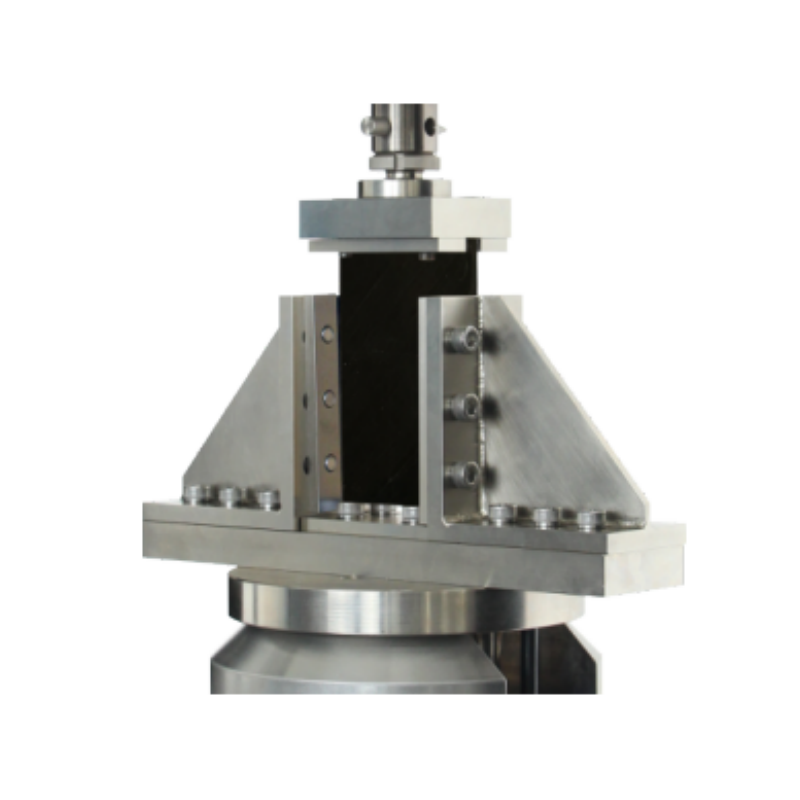
The compression after impact test is a test method used to determine the compressive residual strength of a laminate material after damage has been caused by impact.
Standards:
ASTM D7137
Request A Quote Files DownloadASTM D7137 CAI test:Compression After Impact
Applications:
The compression after impact test is a test method used to determine the compressive residual strength of a laminate material after damage has been caused by impact. The CAI test is used to draw conclusions about the damage tolerance of a multilayer composite.
Damage from out-of-plane forces is a major concern for design engineers working with composite materials. The impact portion of this test method simulates damage that the material is expected to incur in the field, such as a tool being dropped onto the surface of a plane during maintenance or a bird hitting the plane's wing. ASTM D7137 testing is important because the compressive strength of a composite plate is reduced even when an impact is not sufficient enough to cause visible damage. ASTM D7137 helps design engineers gain knowledge of the damage resistance and tolerance properties of composite plate. The desired test results are the ultimate compressive strength and the effective compressive modulus.
Parameter:
|
Model |
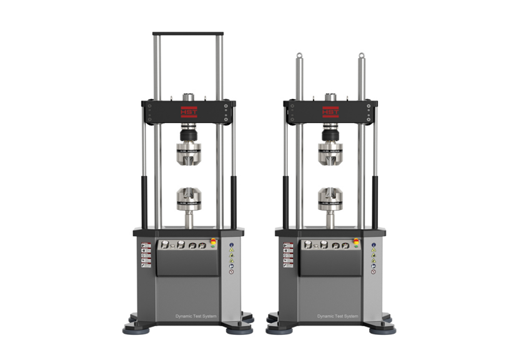
HST-ZYB205A |
|
Standards |
ASTM D7137 |
|
Capacity |
200kN |
|
Test Types |
Compression |
|
Specimen size (LxWxT)(mm) |
100×150×(t≤20)mm |
|
Specimen type |
polymer matrix composite |
|
Temperature(℃) |
-70~350 |
Relate Products