


ASTM E8 Tension Testing of Metallic Materials
ASTM E8 Tension Testing of Metallic Materials
ASTM E8 / E8M is one of the most widely utilized standards for determining the tensile properties of metallic materials. Alongside ASTM A370, it serves as a foundational method in materials testing across industries.
This guide provides a comprehensive introduction to ASTM E8 / E8M tensile testing, including:
Overview of the tensile testing process
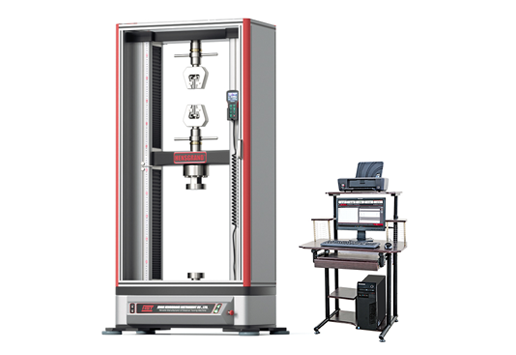
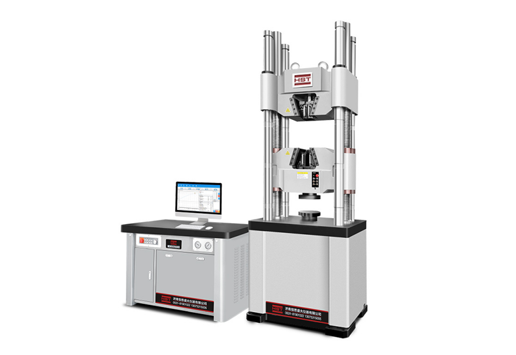
Required materials testing equipment
Software and strain measurement accessories
Standardized tensile specimens
ASTM E8 / E8M is used to evaluate the tensile properties of metallic materials at ambient temperatures ranging from 10°C to 38°C (50°F to 100°F). This standard is essential for assessing the mechanical performance of metals in various forms, including sheet, plate, wire, and bar.
While ASTM E8 / E8M covers a wide range of tensile characteristics, the following are the most commonly measured properties:
Yield Strength - The stress at which a material undergoes permanent deformation.
Yield Point Elongation - The transitional phase where the material shifts from elastic to plastic deformation.
Tensile Strength - The maximum force or stress a material can withstand before failure.
Reduction of Area - A measure of ductility, calculated by the decrease in cross-sectional area after fracture.
These properties are critical for material selection, quality control, and engineering design, making ASTM E8 / E8M a cornerstone in metallurgical testing and mechanical analysis.
Relate Products