


MRS-10A Computer Control Servo Four Ball Friction Testing Machine
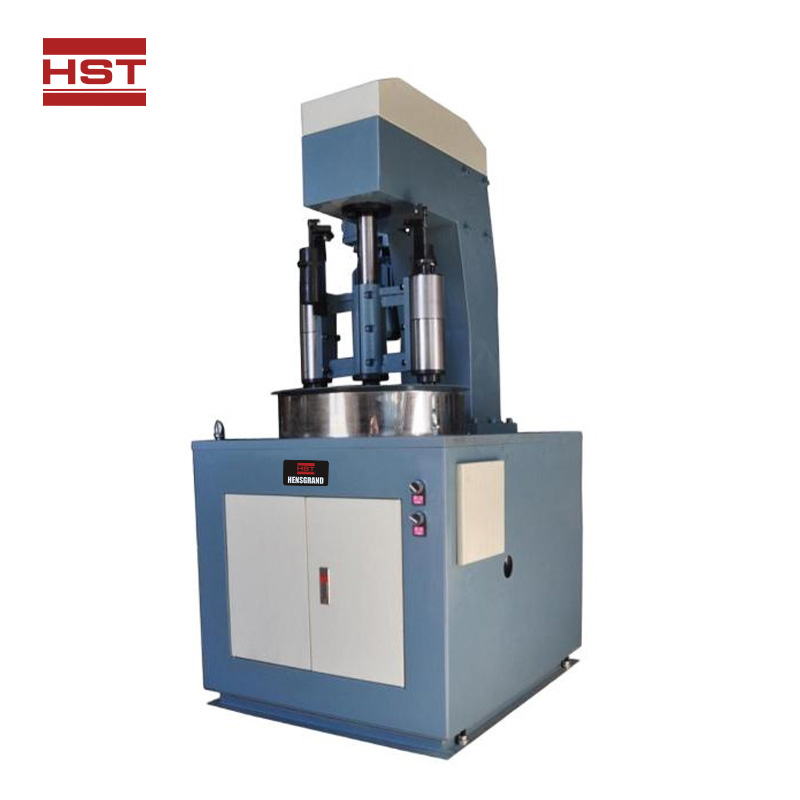
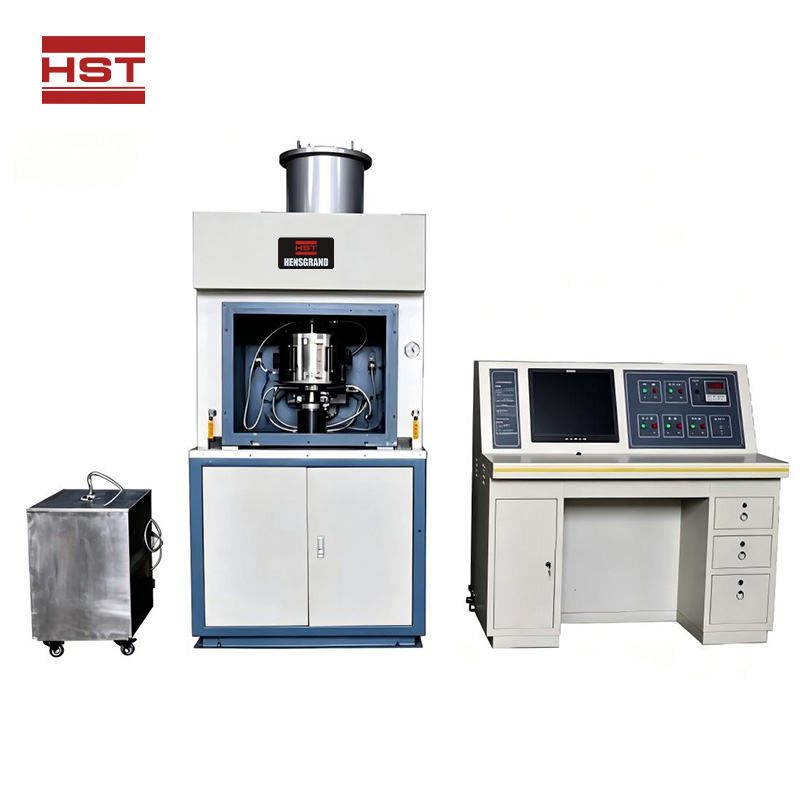
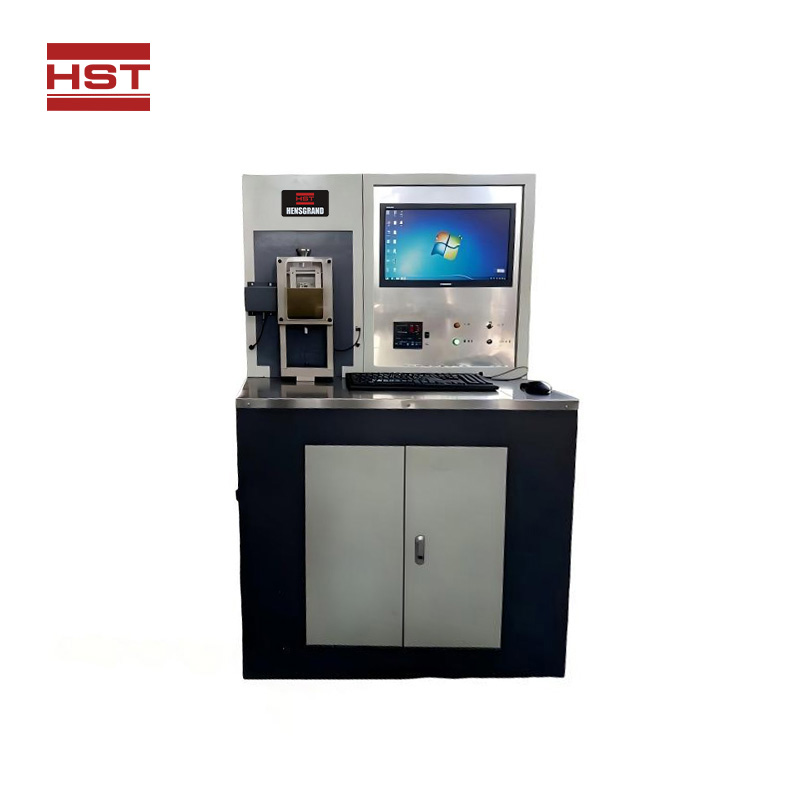
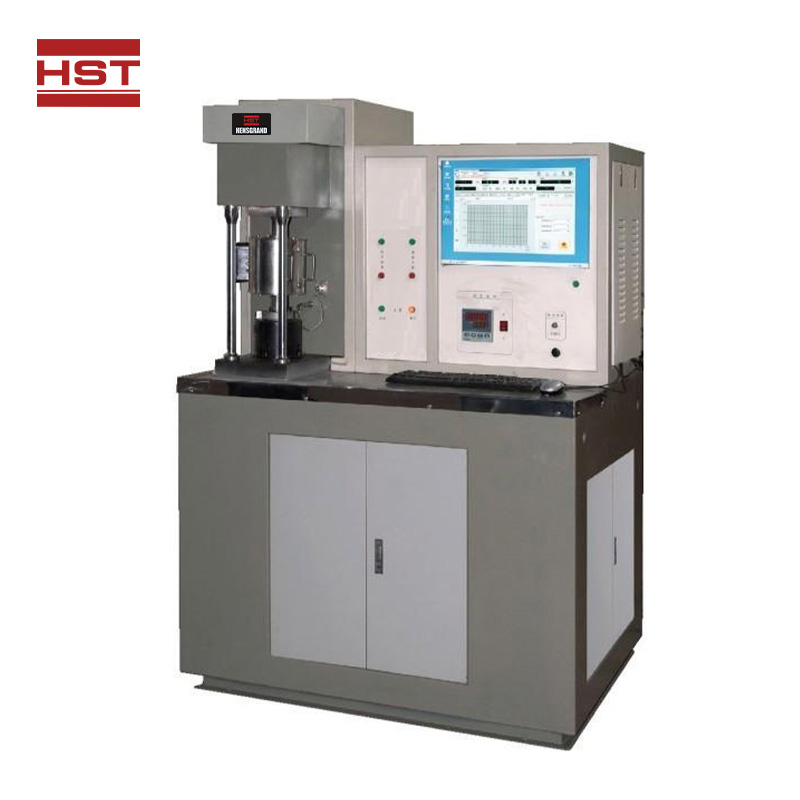
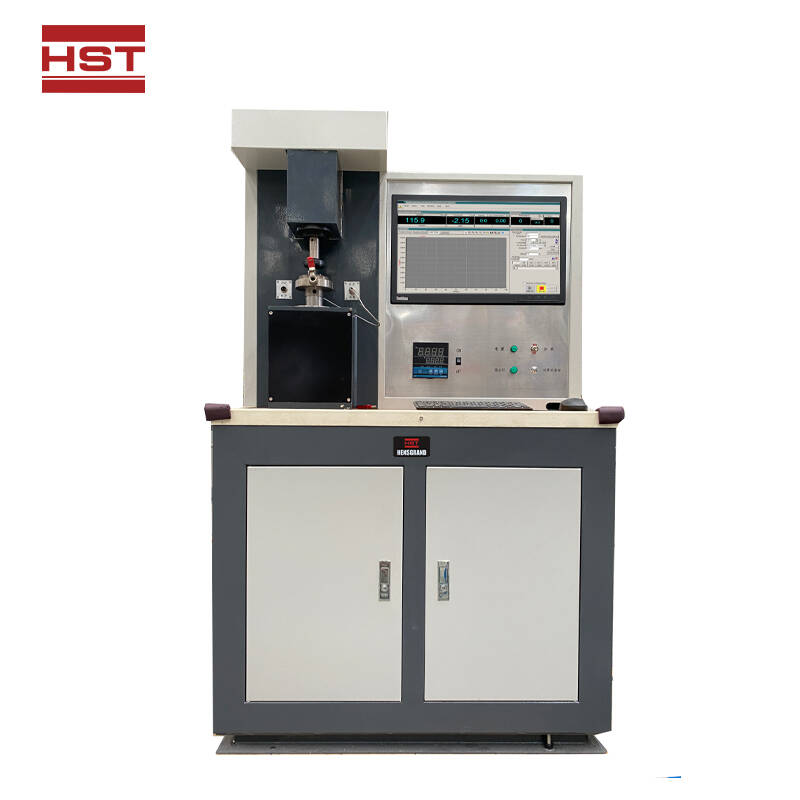
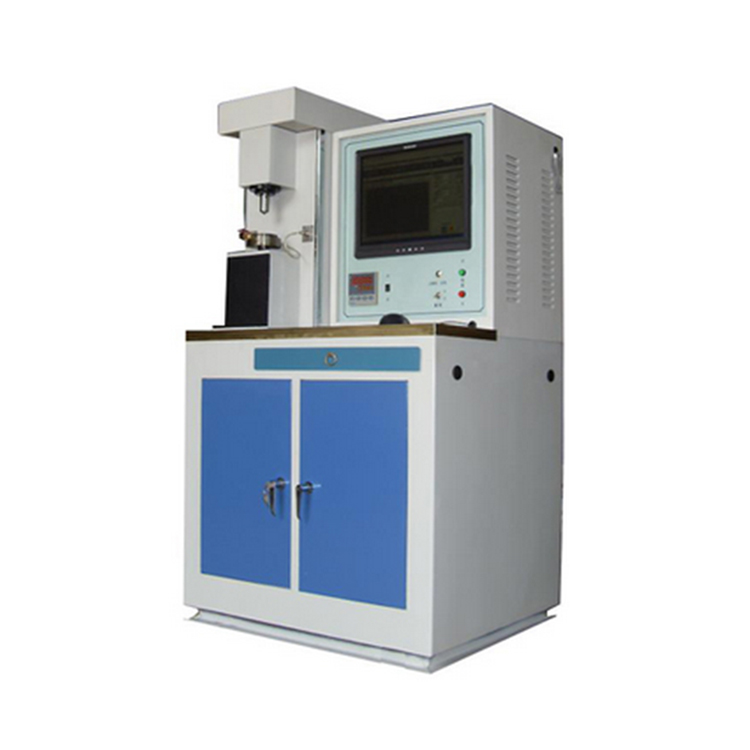
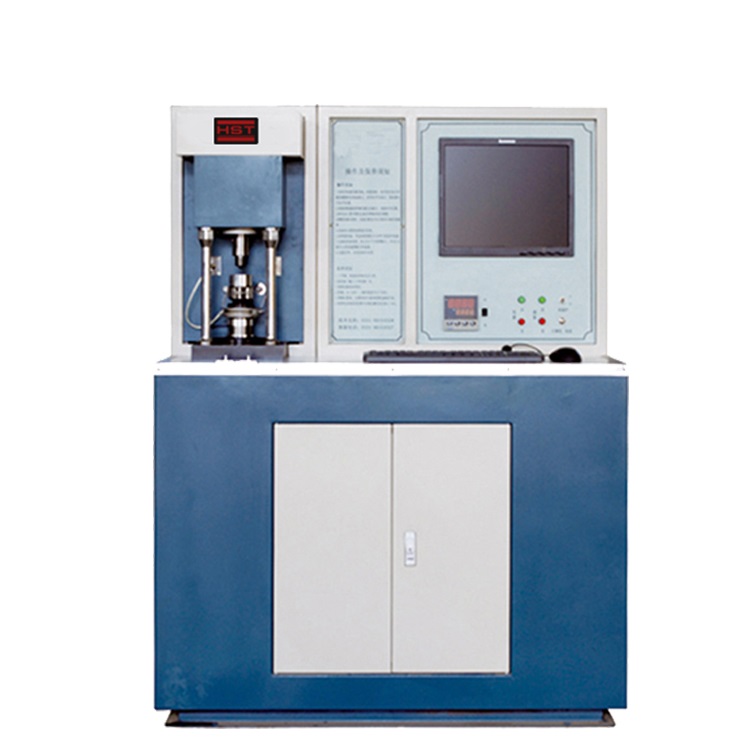
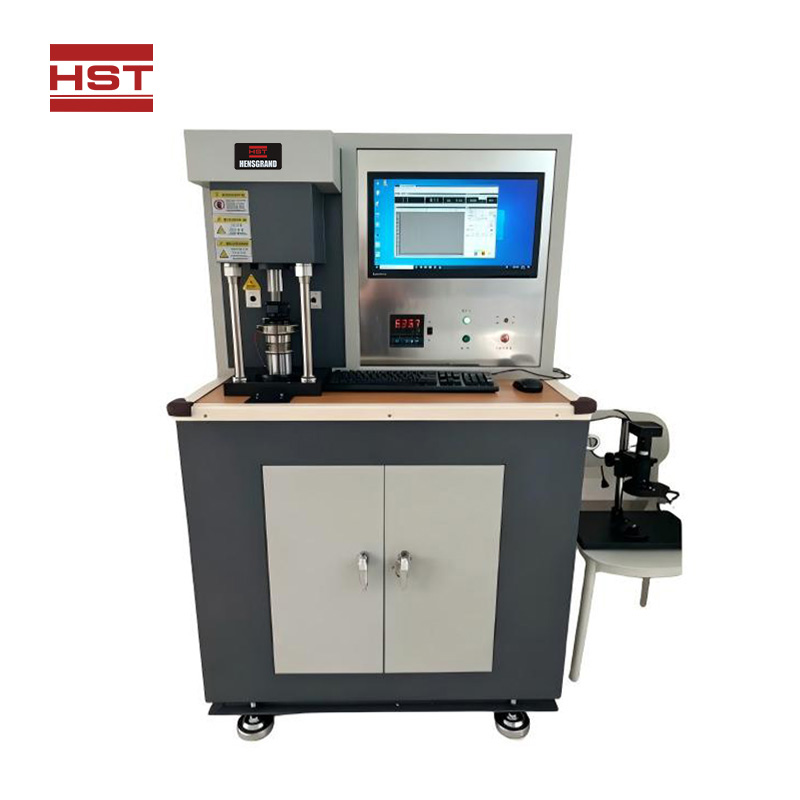
HST-MRS10A Microcomputer Controlled Four-Ball Friction Tester
Standards:
Request A Quote Files Download
Application Range
This tester mainly adopts sliding friction to evaluate the load-carrying capacity of lubricants under extremely high point contact pressure, covering three key indicators: maximum non-seizure load PB, weld load PD, and mean Hertz load ZMZ. It can also conduct long-duration anti-wear tests for lubricants, measure friction coefficients, and record curves of friction force and temperature.
Applicable Standards of This Tester:
GB/T12583-98 Determination of Extreme Pressure Properties of Lubricants (Four-ball Method)
GB3142-82 Determination of Load-Carrying Capacity of Lubricants (Four-ball Method)
SH/T0189-92 Determination of Anti-Wear Properties of Lubricating Oils (Four-ball Method)
SH/T0202-92 Determination of Extreme Pressure Properties of Lubricating Greases (Four-ball Method)
SH/T0204-92 Determination of Anti-Wear Properties of Lubricating Greases (Four-ball Method)
Specification
|
Item |
Specification |
|
Test Force Range (stepless adjustable) |
60N ~ 10kN |
|
Relative Error of Test Force Indication |
±1% |
|
Friction Force Measurement Range |
0 ~ 300N |
|
Friction Force Measurement Error |
±3% |
|
Spindle Speed Range (stepless adjustable) |
200 ~ 2000r/min |
|
Spindle Speed Error |
±5 r/min |
|
Friction Pair Temperature Control Range |
Room temperature ~ 75℃ |
|
Friction Pair Temperature Control Error |
±2℃ |
|
Test Time Control Range |
1 second ~ 999 hours |
|
Spindle Revolution Control Range |
1 ~ 99999999 revolutions |
|
Test Steel Ball |
Φ12.7mm |
|
Overall Dimensions |
1200 × 870 × 1700 mm |
|
Weight |
600kg |
Operating Conditions
a) Ambient temperature within the range of 10°C to 35°C;
b) Relative humidity not exceeding 80%;
c) Install in an environment free of vibration, corrosive media and strong electromagnetic field interference;
d) Fluctuation of power supply voltage shall not exceed ±10% of the rated voltage, frequency fluctuation shall not exceed 2% of the rated frequency, and unbalanced voltage of three-phase power supply shall not exceed 10V.
e)The equipment shall be correctly mounted on a stable foundation with the horizontal tolerance not greater than 0.2/1000.
Basic Configuration
4.1 Main tester unit: Consists of machine base, spindle drive, piston loading system, electrical control cabinet, etc.
4.2 Full-digital electrical measurement & amplification control system and liquid crystal display system: Real-time display of test force, friction force, rotational speed, test revolutions, time and temperature.
4.3 Load sensor
4.4 Windows-based computer data processing software
4.5 Computer: DELL or Lenovo brand computer
4.6 Printer: HP color A4 printer
4.7 High-precision measuring microscope: Model 15J from Shanghai Optical Instrument Factory, magnification 25×
4.8 1 piece of high-temperature platinum resistance sensor
4.9 Test friction pairs:
a) 1 set of high-temperature friction pair oil cup;
b) 1 set of room-temperature friction pair oil cup;
c) 200 pieces of special steel balls for four-ball tester.
Functions of Measurement & Control System and Test Software
(1) Supports test methods including national standards GB/T12583-1998 (Determination of extreme pressure properties of lubricants) and ZB E 34007-87 (Four-ball anti-wear test method);
(2) Friction force, peak value and load: the indication error is ±1% of the reading starting from 20% of each range, with automatic calibration available;
(3) Real-time display of motor revolutions (rotational speed) and test duration;
(4) Multi-protection functions for friction force, load, motor revolutions and other parameters;
(5) High-speed sampling and real-time recording of friction force-time and load-time test curves;
(6) Variable-structure PID control algorithm adopted to regulate the loading process; constant-speed control error ≤5%, pressure-holding control error ≤0.5%;
(7) When the test force exceeds a preset upper limit, the system will automatically activate overload protection and take corresponding measures promptly to safeguard the tester.
(8)Test data is managed via data files; all test data and curves can be saved, and printed test reports comply with the requirements of national standards.
Relate Products