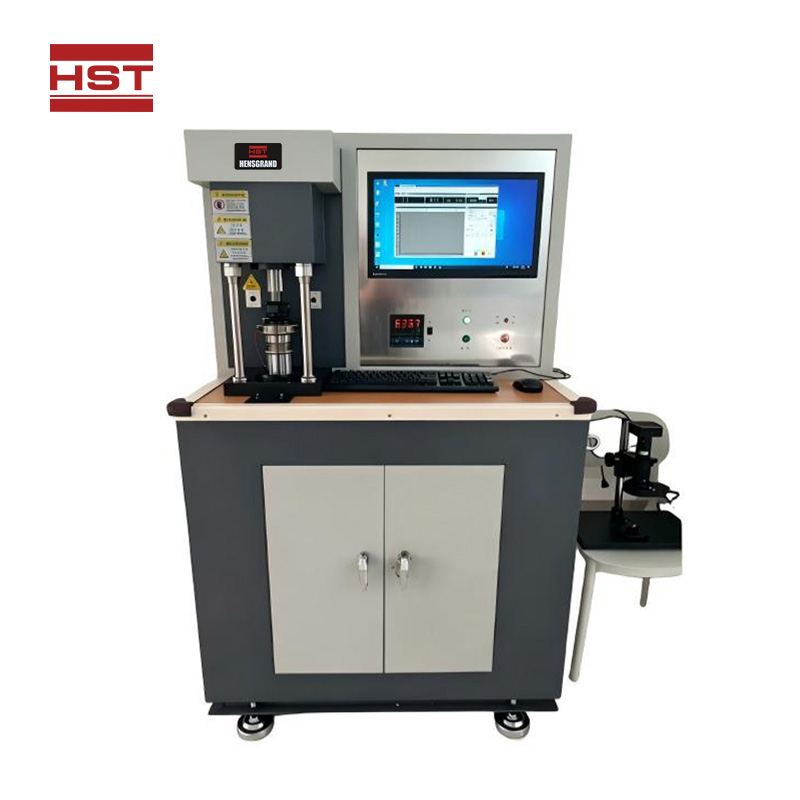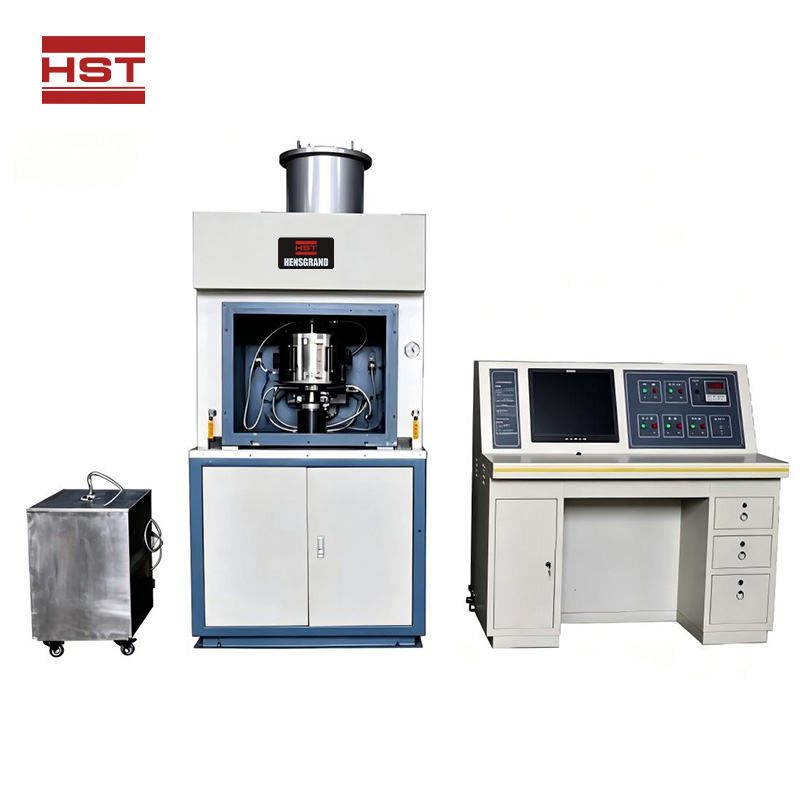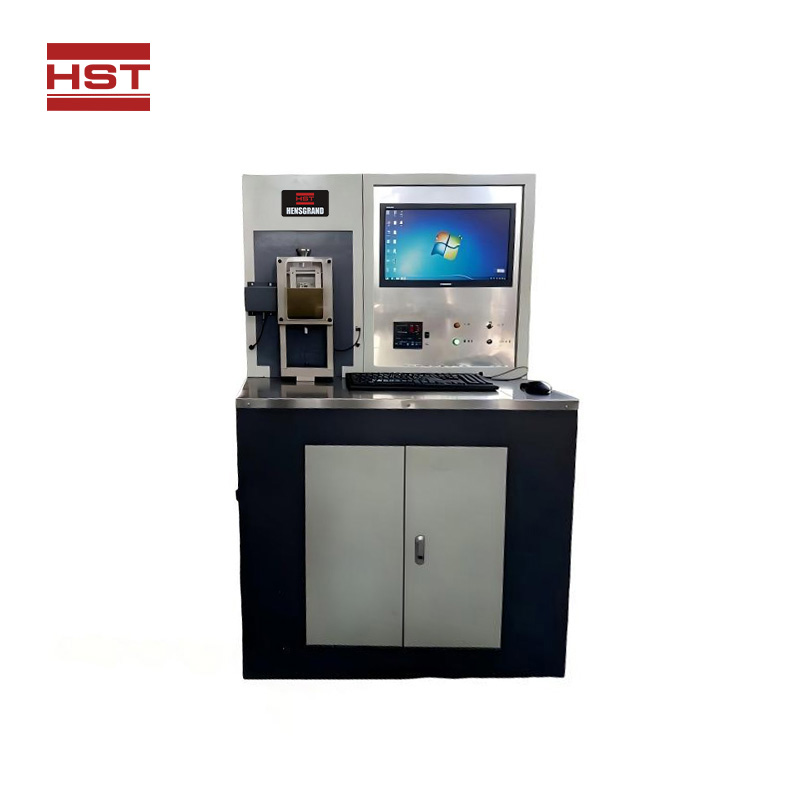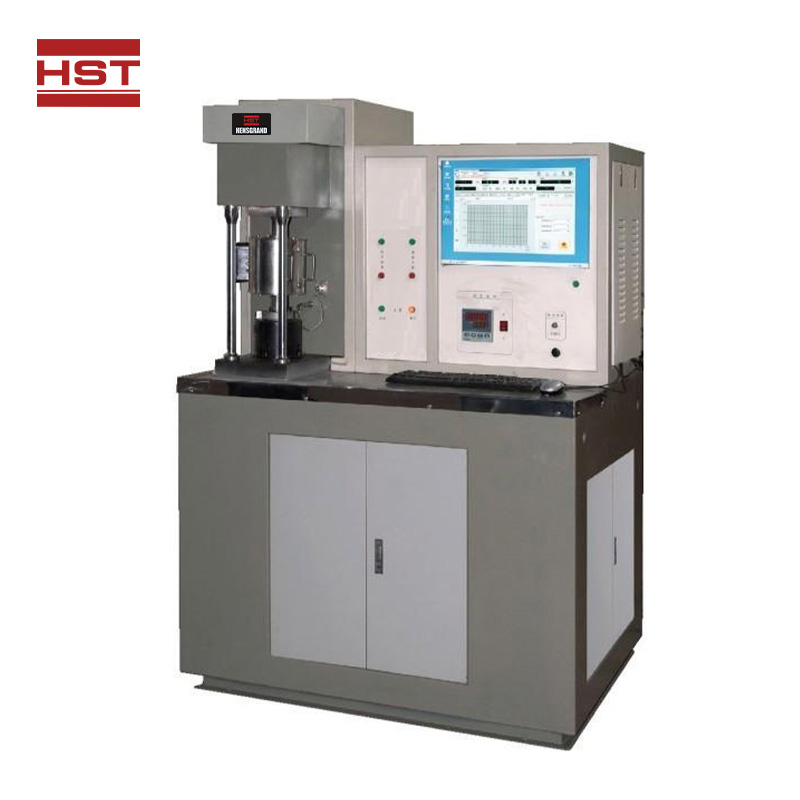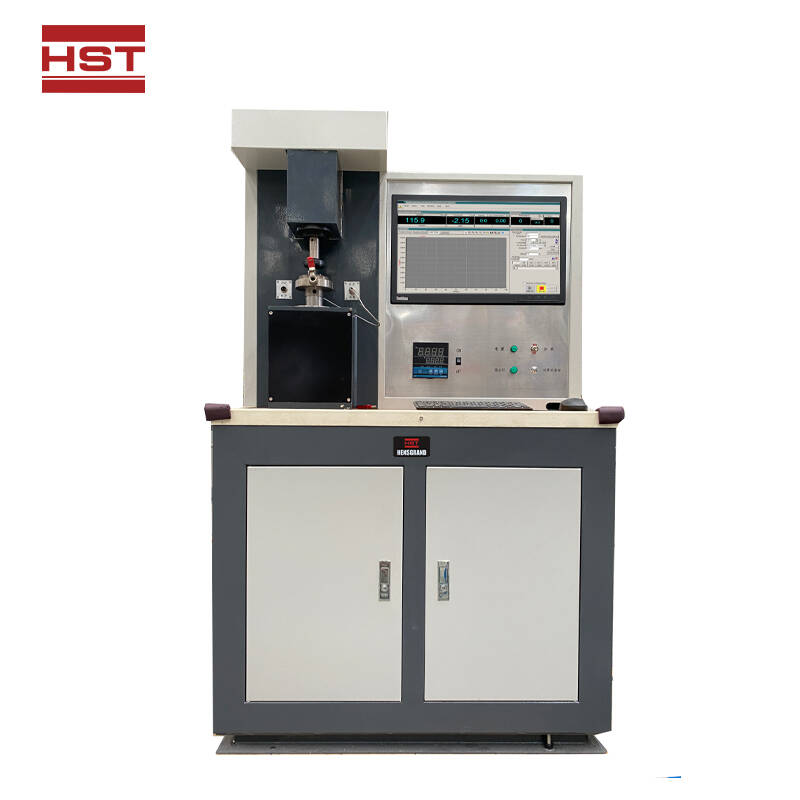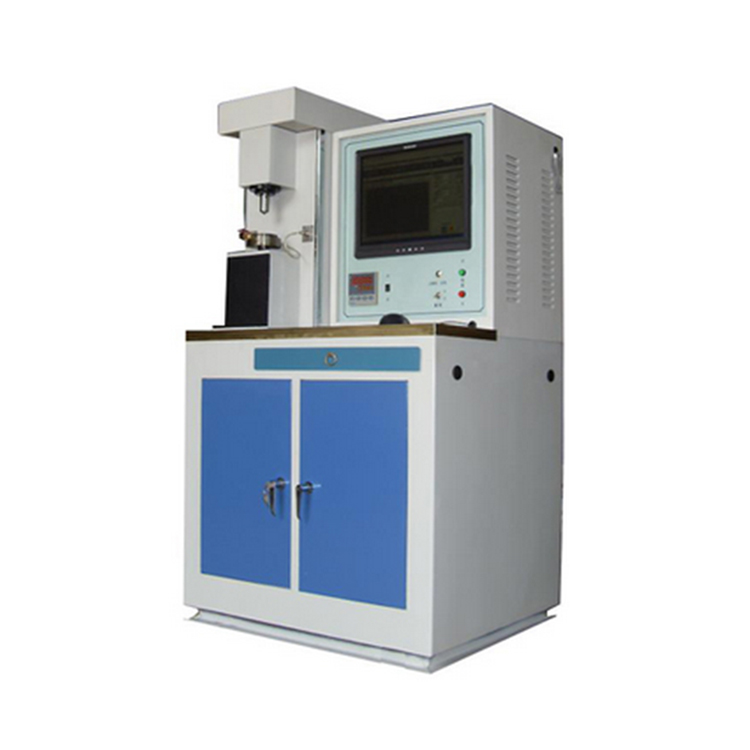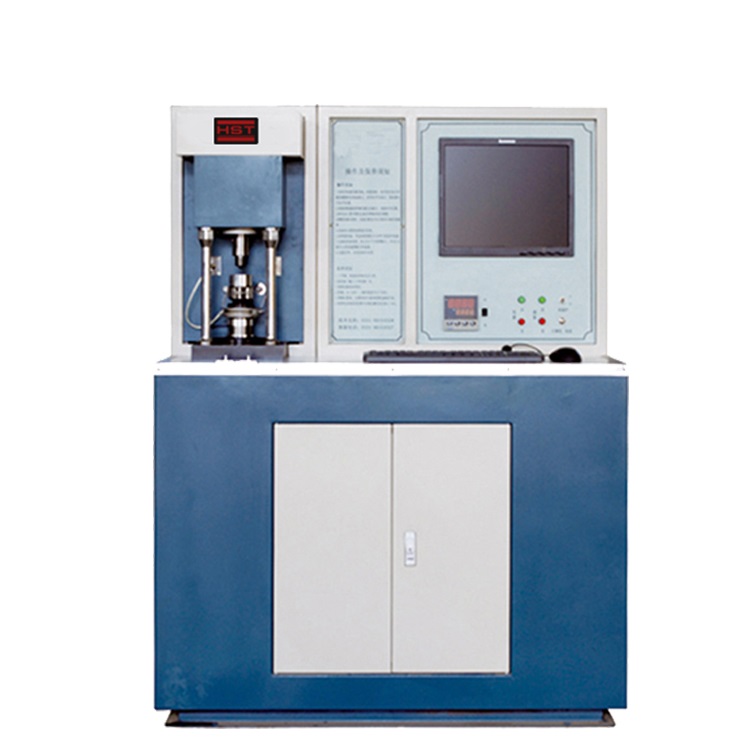


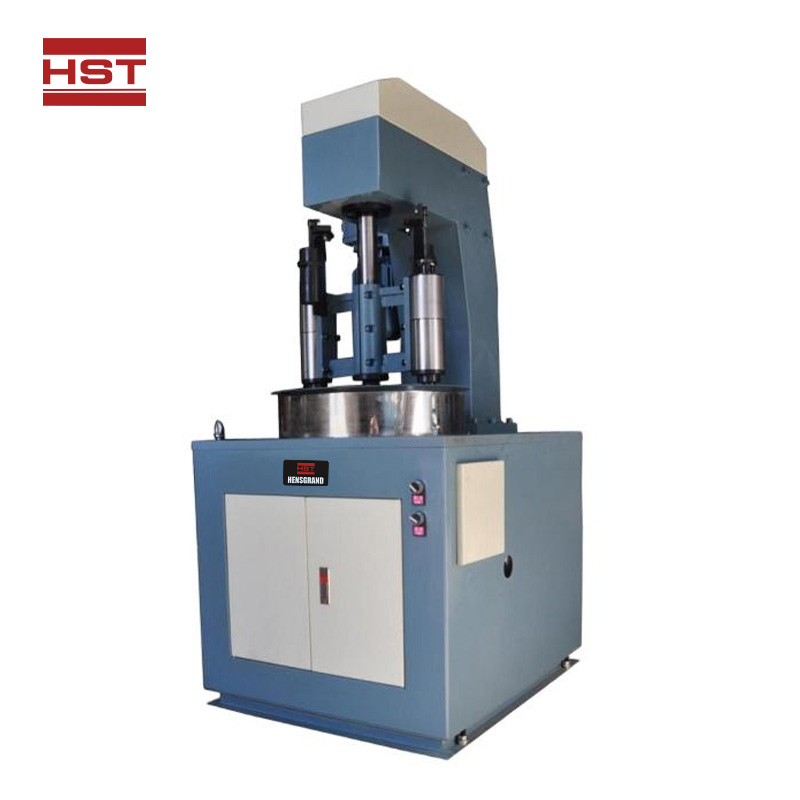

HST MMH-5 Ring-Block Three-Body Abrasion Tester
Application Range
This testing machine adopts sliding friction mode. Under specified test conditions, it is used to evaluate the service performance of engineering plastics, powder metallurgy materials, alloy bearing materials and other materials, as well as measure their wear resistance. Tests can be carried out by adjusting various parameters including load, speed, test duration, friction pair material, surface roughness and hardness. It can measure material wear loss as well as the electrochemical characteristics generated during the wear process. This friction and wear tester is mainly applied to assess the wear resistance of cemented carbides under abrasive wear conditions.
Specification
|
Parameter |
Specification |
|
Number of Test Spindles |
1 |
|
Maximum Uniaxial Test Force |
5 kg |
|
Test Force Range |
1-5 kg |
|
Test Force Loading Mode |
Weight Loading |
|
Test Force Indication Accuracy |
±1% |
|
Spindle Speed Range |
0.1r/min-50r/min (Stepless Adjustable) |
|
Spindle Speed Accuracy |
±0.05r/min |
|
Test Revolution Count |
1~9999999 Settable |
|
Condition Control Mode |
Time, Revolution Count |
|
Standard Specimen - Block Specimen |
30×15×25mm, Front Sharp Angle 45° |
|
Standard Specimen - Disc Specimen |
Φ360 (Theoretical Friction Diameter) ×20mm |
|
Track Material |
Normalized 20# Steel |
|
Track Quantity Provided |
3 |
|
Test Accessories |
Subject to User-provided Standards |
|
Input Voltage |
AC 380V±10% |
|
Input Power |
13.5kW |
Operating Conditions of the Testing Machine
The testing machine shall operate normally under the following conditions:
a) Ambient room temperature ranging from 10℃ to 35℃;
b) Relative humidity not higher than 80%;
c) Surroundings free of vibration, corrosive media and strong electromagnetic interference;
d) Fluctuation of power supply voltage shall not exceed ±10% of the rated voltage, and frequency fluctuation shall not exceed 2% of the rated frequency;
e) Correctly installed on a stable foundation with a levelness of 0.2/1000.
Relate Products